
The Silent Partner in Postpartum Recovery
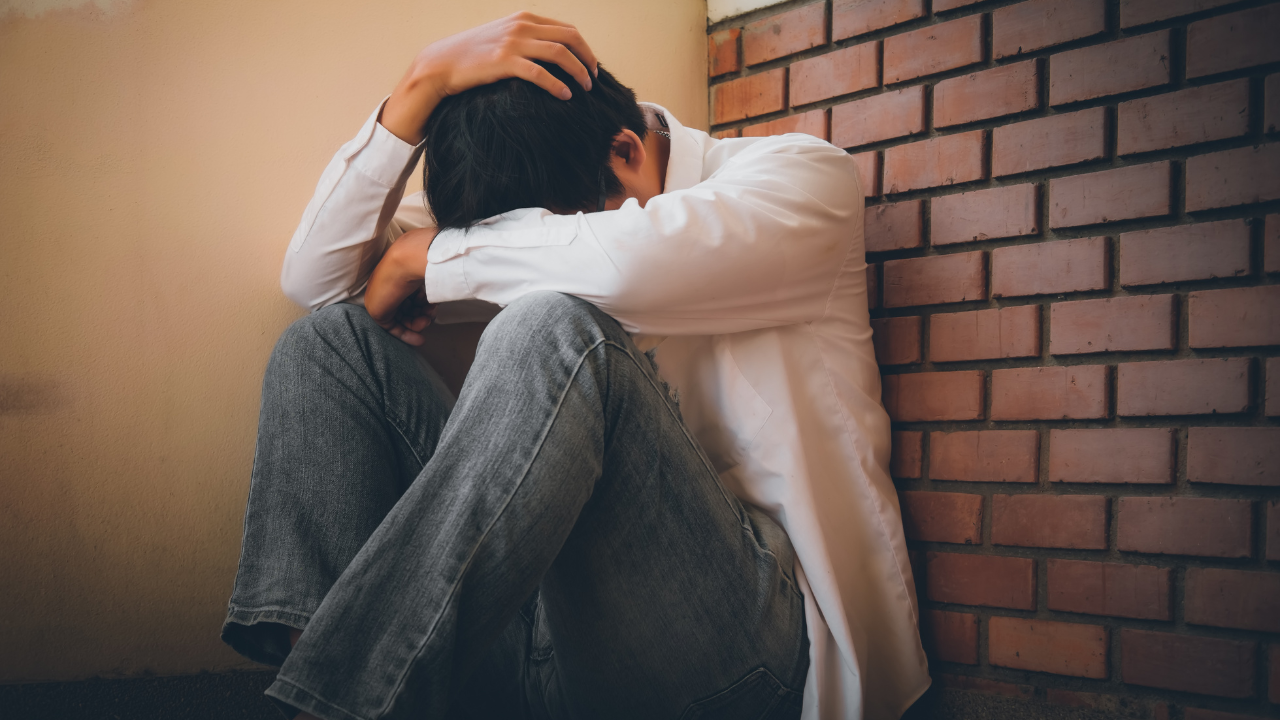
When we talk about postpartum depression, postpartum anxiety, and recovery after birth, the spotlight almost always shines on moms. And rightly so, mothers carry enormous physical and emotional changes during pregnancy and postpartum. But here’s a truth that often gets buried: dads and partners can suffer from postpartum depression too.
Research shows that up to 1 in 10 fathers experience postpartum depression symptoms after their baby’s arrival. Yet most of them remain silent, either because they don’t recognize the signs, feel ashamed, or believe postpartum care is “only for moms.”
As moms, we need to understand that our partners may be quietly struggling too. And as postpartum care professionals, we need to widen the lens of support to include fathers in recovery conversations.
Understanding Postpartum Depression in Dads
Just like moms, dads undergo a major life shift after birth. While they may not experience hormonal swings in the same way, they do face:
- Sleep deprivation: Newborn nights hit both parents.
- Financial and role stress: Pressure to provide, while adjusting to co-parenting.
- Emotional changes: Worry about being a “good dad” or supporting their partner.
- Isolation: Fewer outlets for talking about emotions; male culture often discourages vulnerability.
👉 For Moms: If your partner seems distant, irritable, or unusually tired, it might not just be stress—it could be depression.
👉 For Professionals: Always ask dads about their emotional well-being during postpartum check-ins, not just moms.
Common Symptoms of Postpartum Depression in Dads
The signs can look different from mom’s, which makes it harder to recognize.
Postpartum depression symptoms in dads may include:
- Irritability or anger outbursts
- Withdrawing from family and friends
- Increased use of alcohol or other coping mechanisms
- Lack of interest in bonding with the baby
- Persistent fatigue or lack of motivation
- Feelings of hopelessness or guilt
These often overlap with postpartum anxiety, which can show up as excessive worry about the baby’s health or safety, or feeling unable to relax.
How Postpartum Depression in Dads Affects the Family
When a dad is struggling, the whole family feels it.
- For Moms: It can increase feelings of isolation or worsen your own recovery if you feel unsupported.
- For Babies: Research shows that babies thrive best when both parents are emotionally present.
- For Relationships: Stress, arguments, and distance can grow if depression isn’t addressed.
Postpartum recovery isn’t just about one parent’s well-being; it’s about the entire family system.
Tips for Supporting Dads Through Postpartum
-
Start Gentle Conversations
Say, “I’ve noticed you seem really tired and distant. How are you feeling?” instead of “What’s wrong with you?” -
Share the Load
Encourage breaks for both of you, dad included. A nap, a workout, or time with friends can recharge him. -
Normalize Getting Help
Let your partner know that needing a postpartum care provider or therapist doesn’t make him weak; it makes him human.
Practical Recovery Strategies for Dads
- Routine Check-Ins: Create a habit of asking each other how you’re really doing each day.
- Exercise Together: Physical activity reduces stress and boosts mood for both partners.
- Limit Substance Use: Drinking or over-relying on coping mechanisms can worsen depression.
- Lean on Community: Encourage dads to join online forums or groups where fathers talk openly about parenthood struggles.
- Professional Help: A postpartum support professional, whether a therapist, counselor, or family doctor, can provide tailored treatment.
FAQs About Postpartum Depression in Dads
1. Can dads really get postpartum depression?
Yes. Research shows that up to 1 in 10 fathers experience postpartum depression symptoms after the birth of a child.
2. What does postpartum depression look like in dads?
It can show up as irritability, withdrawal, anger, fatigue, loss of interest, or increased alcohol use, different from the sadness moms often feel.
3. When does paternal postpartum depression usually start?
It can begin anytime in the first year after birth, often peaking between 3–6 months postpartum when sleep deprivation and stress are highest.
4. Is postpartum anxiety common in dads, too?
Yes. Dads may experience racing thoughts, excessive worry about the baby’s safety, or panic symptoms—similar to moms with postpartum anxiety.
5. What causes postpartum depression in fathers?
Contributors include sleep loss, financial or role stress, lack of support, unresolved trauma, and major life changes after pregnancy and birth.
6. How does Dad’s postpartum depression affect the family?
It can strain the couple’s relationship, increase mom’s stress or depression, and affect the baby’s bonding and emotional development.
7. Are there postpartum support groups near me that include dads?
Yes. Many communities and online platforms now welcome fathers. Momkinz postpartum support helps connect both moms and dads with groups and professionals.
8. What kind of postpartum care providers can help dads?
Therapists, primary care doctors, and family counselors are key. Some doulas and support professionals also offer guidance for fathers during postpartum recovery.
9. Can lifestyle changes really help dads with postpartum depression?
Yes. Exercise, sleep, balanced nutrition, and community connection all play important roles alongside professional treatment if needed.
10. What should moms do if they think their partner has postpartum depression?
Encourage open, gentle conversations. Suggest seeing a postpartum support professional together and remind him that asking for help is a sign of strength, not weakness.
A Message to Dads Who Don’t Realize They’re Struggling
Dad, if you’re reading this and something inside you feels heavy but you keep brushing it off as “just being tired” or “just stress,” please pause for a moment.
You might not recognize it as postpartum depression or anxiety, but the way you feel matters. Your exhaustion, your irritability, your quiet withdrawal, they’re not signs that you’re weak. They’re signals that you’re human, adjusting to one of the biggest life changes you’ll ever face.
Postpartum isn’t just about moms. It’s about families. And your healing is just as important as hers. Asking for help doesn’t make you less of a father; it makes you a stronger one. Your baby doesn’t need a “perfect” dad. They need you to be present, real, and cared for.
If you’ve been carrying this weight alone, know this: you don’t have to anymore. Support is out there. And you deserve it.
Postpartum Recovery Is a Family Journey
Mama, you deserve care. Dad, you deserve care too. Postpartum recovery isn’t just about one partner; it’s about the entire family. When either parent is struggling, the whole home feels it. And when both parents are supported, the whole family can thrive.
If you’re a dad silently carrying postpartum depression symptoms, or a mom who notices her partner withdrawing, know this: you don’t have to walk this road alone. Support is not a luxury; it’s part of healing.
At Momkinz, we believe in whole-family postpartum care. Our platform connects you to trusted postpartum care providers, support professionals, and local or virtual postpartum support groups near you for moms and dads.
👉 Visit Momkinz today and take the first step toward healing together. Because postpartum isn’t a solo journey, it’s a family one.