
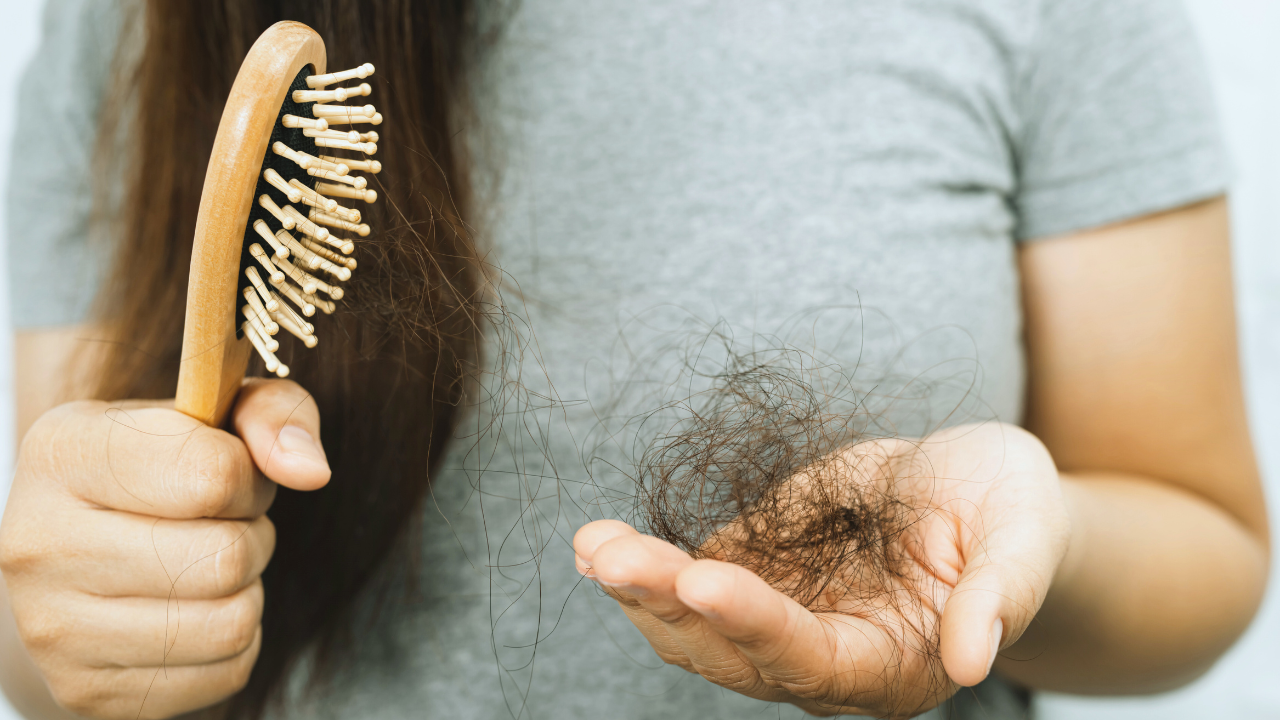
When You Start Seeing More Hair on the Floor – No one warned you about this part, right? You survived pregnancy and birth, you’re adjusting to sleepless nights, and now every time you shower or brush your hair, clumps of it come out in your hands. You stare at the drain and think, “Is this normal? Am I going bald? Why is my body doing this?”
Here’s the truth: postpartum hair loss is normal, but that doesn’t make it easy. Watching your hair thin or shed can feel like one more piece of yourself disappearing in a season when you’re already trying to recognize the woman in the mirror.
You’re not alone, and what’s happening isn’t your fault. Let’s unpack why postpartum hair loss happens, how long it lasts, and what you can do to care for yourself, body, mind, and heart during this stage of postpartum recovery.
Why Postpartum Hair Loss Happens
During pregnancy, high levels of estrogen keep your hair thick, shiny, and full. You may have noticed your hair looked better than ever. That’s because the hormone surge keeps hair in its growth phase longer than usual.
After birth, though, your estrogen levels drop dramatically. That shift causes hair that was “stuck” in the growth phase to enter the shedding phase all at once. The result? Handfuls of hair falling out in the shower, on your pillow, and everywhere else.
Research Insight: According to the American Pregnancy Association, about 40–50% of new mothers experience noticeable postpartum hair loss, usually between 2 and 5 months after birth.
It’s not just hair, it’s identity. When you see more strands fall, it can trigger emotions that feel bigger than the loss itself. It’s okay to grieve that part of yourself, and it’s also okay to know this is temporary.
What’s Normal and What’s Not
While postpartum hair loss is common, it’s important to know what’s considered normal versus when to check in with a postpartum care provider.
Normal shedding looks like:
- Hair loss that starts around 2–3 months postpartum
- Thinning mostly around your temples or hairline (“baby bangs”)
- Gradual improvement by your baby’s first birthday
Check with a provider if:
- You have bald patches or severe thinning across the scalp
- Hair loss continues beyond 12 months
- You feel unusually tired, cold, or notice dry skin (possible thyroid changes)
Research Insight: Thyroid imbalances affect up to 1 in 8 postpartum women, often mimicking symptoms of postpartum depression or fatigue. If something feels off, trust your instincts and get checked.
The Emotional Side: It’s Not Just About Hair
When you’re already navigating postpartum depression symptoms or anxiety, losing hair can feel like another hit to your confidence. You may find yourself avoiding mirrors, skipping outings, or feeling like you’ve lost control over your body again.
That emotional weight is real. In fact, studies show that changes in appearance after pregnancy and birth can impact body image and self-esteem, especially when compounded by sleep deprivation, hormone shifts, and social pressure to “bounce back.” You are not vain for caring. You are human for missing yourself.
How to Support Hair Regrowth (and Your Confidence)
1. Nourish From the Inside Out
Your hair reflects your body’s health. Eat foods rich in iron, protein, zinc, and omega-3s like salmon, eggs, lentils, and spinach. Stay hydrated and don’t skip meals (we know it’s hard, mama).
Tip: If you’re still breastfeeding, talk to your provider before taking supplements. A postpartum support professional or nutritionist can help tailor your diet safely.
2. Switch to Gentle Hair Care
Skip tight ponytails, harsh brushes, or heavy styling. Use wide-tooth combs and mild, sulfate-free shampoos. Massage your scalp gently to boost blood flow.
Try:
- Silk pillowcases (reduce friction and breakage)
- Air drying or low-heat styling
- Lightweight leave-in conditioner or nourishing oil treatments
3. Check Your Hormones and Iron Levels
If your hair loss feels excessive or prolonged, ask your postpartum care provider to test for thyroid function, anemia, or vitamin D deficiency. These are common but treatable causes of long-term shedding.
4. Prioritize Stress Relief
Stress increases cortisol, which can worsen shedding. Easier said than done, right? But even 10 minutes of calm deep breathing, a shower, a short walk, or connecting with a friend can reset your body’s stress response.
Join postpartum support groups near me or online through Momkinz postpartum support to talk about it with moms who truly get it.
5. Remember: This Too Shall Pass
Most moms see hair regrowth by 6–12 months postpartum. Those tiny baby hairs sprouting near your temples? That’s your body healing. Celebrate that sign of renewal; it means you’re recovering, not regressing.
Research Insight: Dermatologists note that postpartum hair loss is almost always temporary. Once hormone levels stabilize, hair cycles return to normal growth.
When Hair Loss Impacts Mental Health
If your shedding is triggering deeper sadness, anxiety, or obsessive thoughts about your appearance, you may be experiencing more than hormonal changes. Postpartum depression and anxiety can magnify how you see yourself.
Signs to watch for:
- Persistent sadness, guilt, or hopelessness
- Feeling “off” or disconnected from yourself or your baby
- Difficulty sleeping, even when your baby sleeps
- Loss of interest in self-care or social connection
If you see yourself here, please know you’re not alone and you deserve help.
👉 Reach out to a postpartum care provider or mental health specialist through Momkinz postpartum support. Healing your mind and body are equally important parts of recovery.
Mom Takeaways
- Postpartum hair loss is common and temporary.
- Nourish yourself; balanced nutrition and hydration matter.
- Use gentle care: avoid harsh treatments, tight hairstyles, or chemical products.
- Prioritize rest and stress relief; your hair (and body) will thank you.
- Seek professional help if hair loss is prolonged or affecting your emotional health.
FAQs About Postpartum Hair Loss
1. What causes postpartum hair loss?
After pregnancy and birth, estrogen levels drop sharply. During pregnancy, high estrogen keeps hair in a growth phase, but postpartum, those hormones fall, causing large amounts of hair to shed all at once.
2. How common is postpartum hair loss?
Very common! Research shows that 40–50% of new moms in the U.S. experience noticeable hair loss within the first 2–5 months postpartum.
3. When does postpartum hair loss start and stop?
It usually begins around 2–3 months after delivery and slows down by 6–12 months postpartum. Most moms see regrowth before their baby’s first birthday.
4. Is postpartum hair loss permanent?
No. In almost all cases, it’s temporary. Once your hormones stabilize, your hair growth cycle returns to normal.
5. Can postpartum hair loss be a sign of something serious?
Sometimes. If you have bald patches, ongoing shedding beyond 12 months, or symptoms like fatigue or dry skin, talk to a postpartum care provider to rule out thyroid issues or anemia.
6. Can stress make postpartum hair loss worse?
Yes. Stress increases cortisol, which can worsen shedding. Practicing self-care, deep breathing, and getting help with baby duties can ease both stress and hair loss.
7. Does breastfeeding affect postpartum hair loss?
Breastfeeding can extend the shedding phase because estrogen levels stay lower while milk production continues, but it’s still normal and temporary.
8. What can I do to help my hair grow back faster?
Focus on nutrient-rich foods (iron, protein, and omega-3s), stay hydrated, and use gentle, sulfate-free hair products. A postpartum support professional can also suggest safe supplements if needed.
9. Should I avoid cutting or coloring my hair postpartum?
You don’t have to, but gentle care is key. Avoid harsh chemicals or tight hairstyles that pull on the scalp until your hair feels stronger.
10. Where can I find help or reassurance during this phase?
You can connect with Momkinz postpartum support to find trusted postpartum care providers and postpartum support groups near me, where moms share real experiences and recovery tips.
You’re Still Beautiful, Mama
Hair will grow back. But in the meantime, please know your worth, your strength, and your beauty were never tied to your hair. Postpartum recovery changes every part of you, but it also reveals just how resilient you are. Even as your strands shed, your courage multiplies.
At Momkinz, we understand that postpartum isn’t just physical, it’s emotional, hormonal, and deeply human. That’s why we connect you with postpartum care providers, support professionals, and postpartum support groups near you to help you through every stage from hair loss to healing.
Visit Momkinz postpartum support today because your body deserves care, and your heart deserves compassion.