
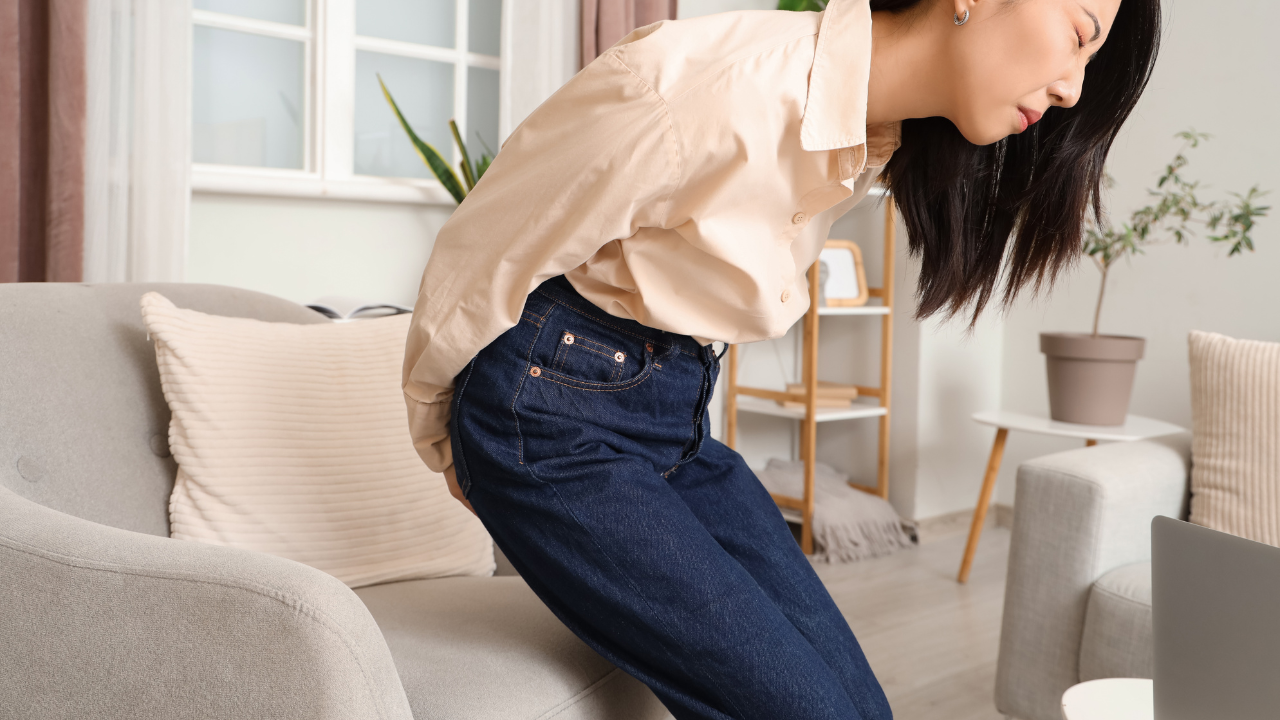
You greeted your new baby with joy, relief, and wonder… yet behind the scenes, something uncomfortable and unexpected has crept in: pain, itching, and discomfort in your bottom after birth. It’s not talked about often, but if you’re dealing with postpartum hemorrhoids, you are far from alone. Today we’re going to hold that truth together, look at what’s happening, why it matters, and most importantly, how you can move toward comfort and healing. From pregnancy to birth to postpartum recovery, you deserve care, compassion, and support.
Why Postpartum Hemorrhoids Happen
During pregnancy, as your body supports a growing life, it’s also adapting to dramatic changes: hormones shift, blood flow increases, your uterus expands, and digestion slows. These changes set the stage for hemorrhoids. In fact, studies show that about 40-43% of women during late pregnancy or just after birth develop hemorrhoids or anal-fissures.
Here are some of the key reasons:
- The pressure of your baby and uterus on the pelvic veins slows blood return, so the vessels around the rectum swell.
- Hormonal changes (progesterone) relax vein walls and slow digestion, leading to constipation and straining.
- Vaginal birth, especially if prolonged pushing or the baby weighed more than ~3,800 g, raises the risk of postpartum hemorrhoidal issues.
So if you’ve just had a baby (via birth or c-section) and you find yourself struggling with pain, swelling, lumps, or painful bowel movements, know that these are very real symptoms and you are not defective; you’re just in recovery mode.
What It Feels Like & Why It Affects You Deeply
Let’s be honest: hemorrhoids aren’t just a “minor extra.” They can touch every part of your day, your ability to sit, to change a diaper, to rest, to enjoy your newborn. You may feel:
- Itching or burning around the anus
- Pain during bowel movements
- Lumps or swollen veins near your butt
- Bright red blood on toilet paper or in the bowl
- Mucus discharge or feeling you haven’t finished a movement
When you’re already navigating the emotional and physical roller-coaster of postpartum recovery hormones, sleep deprivation, body reshaping, and identity shifts, this added discomfort can feel like a heavy weight. It may amplify feelings of vulnerability, exhaustion, even doubt (“Why is this happening to me? Am I doing something wrong?”). But here’s the truth: this is not your fault. This is your body’s response to a season of growth, change, birth, and recovery. You are allowed to feel frustrated and tender and hopeful all at once.
Practical Steps for Relief & Postpartum Recovery
Here are real tips, real mom-to-mom advice for caring for yourself while healing from postpartum hemorrhoids:
1. Prioritize gentle bowel movements
- Eat plenty of fiber-rich foods: fresh fruits, vegetables, whole grains, beans. One study noted that lower fruit/vegetable consumption was associated with higher hemorrhoid risk.
- Stay well hydrated. Fluids soften stools and reduce straining.
- When you feel the urge to go—go! Delaying means harder stool and more pressure.
- Use a gentle stool softener if your provider approves, especially if you’re taking iron or pain meds that slow digestion.
2. Relieve the pressure
- Take a 10–15 minute sitz bath (warm water that covers your bottom) 2-4 times a day if possible. It can soothe swelling.
- Use cushions or ring pillows to ease sitting when you’re feeding or resting.
- Try cold compresses or witch hazel pads applied gently to the area. Cooling helps.
3. Move gently, stay supported
- Short walks, even around your home, help stimulate circulation and digestion.
- After birth, support your body with proper posture, especially when baby-hugging, feeding, or diaper-changing. Sitting upright and shifting your weight helps avoid extra pressure.
- Ask for help when you need it. Healing is not solo. Whether it’s someone holding the baby while you rest, or someone doing chores so you can sit comfortably, let yourself receive support.
4. Recognize when to seek help
- If you see persisting* bright red bleeding, increased pain, signs of infection (fever, pus), or if hemorrhoids are causing severe discomfort, connect with your postpartum care provider.
- If you have other postpartum concerns like mood shifts, feelings of low energy, or anxiety, remember that physical discomfort often affects emotional health. Seeking support from a postpartum support professional or group doesn’t mean you’re weak; it means you’re wise.
Caring for Your Emotional & Physical Self
We know you’re also navigating the waves of postpartum emotional health shifts in your identity, changes in your body, and maybe subtle (or not so subtle) symptoms of postpartum depression, postpartum anxiety, or just feeling less like yourself. The discomfort and pain of hemorrhoids can feed into those feelings, making you question your body, your worth, and your recovery. The key is to treat the whole you.
- Acknowledge: “Yes, this is hard. Yes, this is real.”
- Be gentler with yourself. Your body just birthed life. It’s normal to need extra time and care.
- Build a support network. Look for “postpartum support groups near me” mamas who get this, who don’t judge you for your bottom ache and your longing for your old self.
- At Momkinz, you can connect with postpartum support professionals, other moms, and care providers who see you mind, body, heart, and all of it. Because healing isn’t just bouncing back; it’s building forward.
Navigating Postpartum Hemorrhoids
Dear Mom, you didn’t sign up for Perfect. You signed up for love, for life, for growth, and yes, for healing, sometimes hidden healing. If you’re navigating postpartum hemorrhoids, you are showing up. Your body is changing, your heart is shifting, and your support matters. Let’s make sure it exists.
If you’re ready to feel seen, to get relief, to move toward a recovery that respects your body and your emotions, then I invite you to explore Momkinz postpartum support. Find a postpartum care provider who understands that discomfort and healing go hand in hand. Join a community of moms who whisper, “Me too,” when the pain echoes. Get the guidance, compassion, and care you deserve.
You’re doing enough. Your healing matters. And we’re here alongside you.

FREQUENTLY ASKED QUESTIONS
1. What are postpartum hemorrhoids?
Postpartum hemorrhoids are swollen veins around the anus or rectum that appear after pregnancy or birth, often due to the pressure of pushing during delivery or constipation during postpartum recovery. They’re common, painful, but treatable.
2. How common are hemorrhoids after birth?
Studies show that around 40–43% of new mothers in the U.S. experience hemorrhoids during the postpartum period. It’s one of the most frequent physical issues after delivery, especially for those who had a vaginal birth.
3. What causes postpartum hemorrhoids?
They develop from:
- Increased pelvic pressure during pregnancy
- Hormonal changes are slowing down digestion
- Straining during bowel movements
- Pushing during birth
- Constipation during postpartum recovery
These factors cause veins around the rectum to swell and become painful.
4. How long do postpartum hemorrhoids last?
Most postpartum hemorrhoids heal within a few weeks with gentle care and lifestyle adjustments. Severe cases may take longer, especially if untreated or if constipation continues.
5. What helps relieve postpartum hemorrhoid pain naturally?
Try these mom-approved remedies:
- Sitz baths (warm water soaks 2–3 times daily)
- Witch hazel pads or cold compresses
- High-fiber foods and plenty of water
- Avoid straining during bowel movements
- Use soft wipes instead of rough toilet paper
Always check with your postpartum care provider before using medicated creams or suppositories.
6. Can postpartum hemorrhoids lead to postpartum depression or anxiety?
While hemorrhoids don’t directly cause postpartum depression or postpartum anxiety, the pain, discomfort, and stress can worsen emotional exhaustion. Many moms feel isolated or frustrated by physical challenges. If you’re feeling down or detached, reach out for postpartum support. Early help exists.
7. Should I see a doctor or postpartum care provider for hemorrhoids?
Yes, especially if you have:
- Persistent pain or swelling
- Bleeding that lasts more than a few days
- Signs of infection or severe discomfort
A postpartum care provider or postpartum support professional can guide you safely through treatment.
8. Are hemorrhoids more common after vaginal birth or C-section?
Hemorrhoids are more common after vaginal birth due to pushing and pressure on pelvic veins, but moms who delivered via C-section can also develop them, especially from constipation or sitting for long periods during recovery.
9. Can I prevent postpartum hemorrhoids?
You can reduce your risk by:
- Eating fiber-rich meals and staying hydrated
- Using a stool softener (with your provider’s advice)
- Avoiding long sitting sessions
- Doing gentle postpartum movement
- Listening to your body’s signals and not delaying bathroom breaks
10. How can Momkinz help me with postpartum hemorrhoids?
Momkinz postpartum support connects you to postpartum support groups near you, compassionate postpartum care providers, and educational resources to ease both your physical recovery and emotional journey. You don’t have to suffer in silence. Momkinz is here to guide, comfort, and empower you through every phase of healing.
RELATED ARTICLES: Is It Mom’s Instinct, Being Paranoid, or Postpartum Depression?