
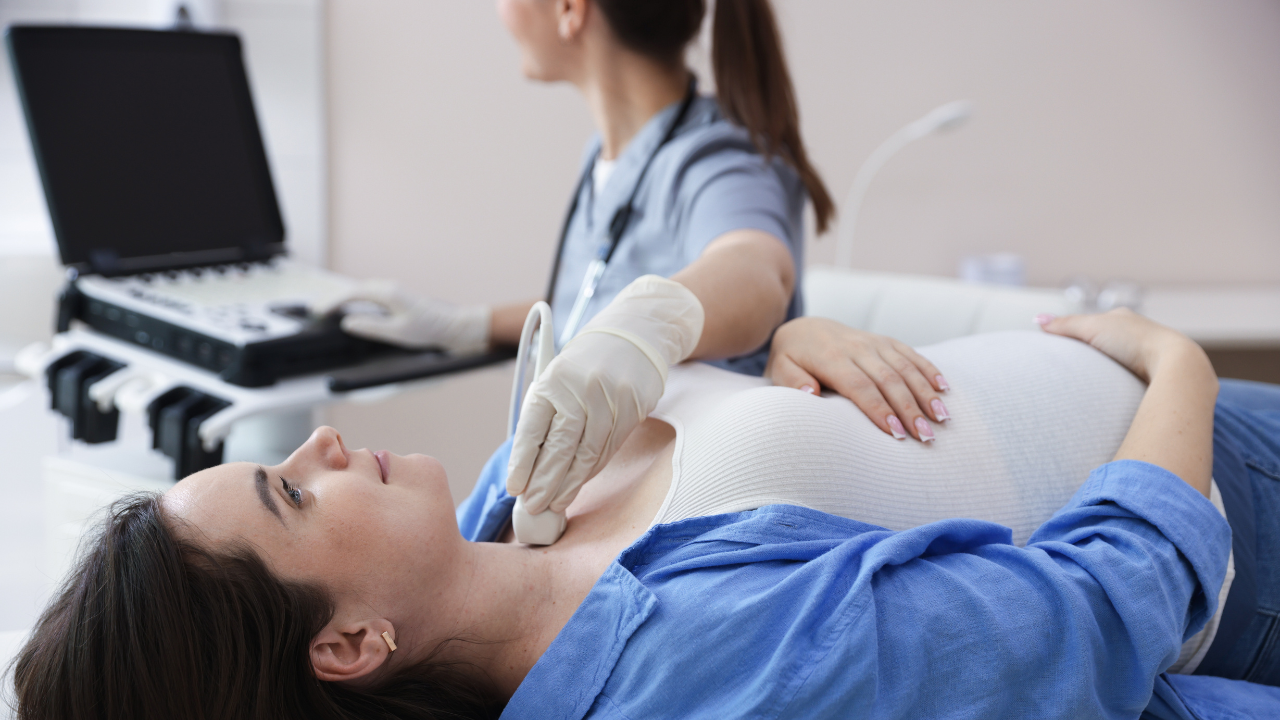
There are parts of pregnancy that no one truly prepares us for: the quiet worries, the late-night searches, the sudden heaviness that settles in our chest when we hear something unexpected at a check-up. As moms, we carry both the hope and the fear. We carry the joy of imagining our baby’s future… and the heartbreak of wondering, “What if something goes wrong?”
One of the hardest truths I’ve learned as a mother, and one that so many moms silently experience, is that sometimes the body doesn’t cooperate in the ways we expect it to during pregnancy. And when we hear medical words like thyroid imbalance, hypothyroidism, or autism risk, the weight of those words can feel unbearable.
A recent study has shed light on something many mothers have never been told:
When thyroid hormone levels remain imbalanced across pregnancy, especially across multiple trimesters, it may increase the risk of autism in children.
And when I read this, a familiar ache tugged at my heart.
Because behind every statistic is a mother who loved deeply, tried her best, and carried fears she never deserved to carry alone.
Today, I want to talk to you about that study gently, honestly, and hold space for every mother who has ever struggled with postpartum emotions, pregnancy worries, or the fear of the unknown.
Source: Neurology Advisor
Understanding Thyroid Health in Pregnancy And Why It Matters
Your thyroid may be small, but during pregnancy, its hormones play a massive role in regulating your energy, mood, metabolism, brain function, and your baby’s neurological development.
When thyroid hormone levels drop too low, a condition known as hypothyroidism, both mother and baby can be affected. For years, we’ve known it can cause fatigue, depression, and complications during pregnancy. But researchers are now finding deeper, more emotional connections.
The new study followed more than 51,000 pregnancies and found something important:
Chronic hypothyroidism alone wasn’t significantly tied to autism risk. But when a mother had hypothyroidism before pregnancy AND continued imbalance during pregnancy, the risk of autism increased, especially the longer the imbalance lasted.
One exposed trimester raised the risk.
Two trimesters raised it more.
Three trimesters raised it the most.
Reading this, you might feel a knot in your stomach. I felt it too.
But please stay with me, because knowledge isn’t meant to frighten us.
It’s meant to empower us.
And the study also found something profoundly reassuring:
When thyroid levels were treated well and kept within normal ranges, the risk did NOT increase.
Support and treatment matter. You matter.
The Emotional Toll: When a Mother Feels Like Her Body Failed Her
Let’s talk about the part of this that no one writes about in research articles:
the sadness, guilt, and fear mothers feel when they hear something like this.
I’ve met so many moms who carry the quiet grief of believing their bodies “didn’t do enough” during pregnancy. Moms who replay their prenatal appointments, wondering what they missed. Moms who look at their children and feel a wave of guilt they don’t dare speak aloud.
If that’s you, listen to me with your whole heart:
You did not fail your child. You did not fail your body. And your body did not fail you.
Thyroid imbalance can be silent. It can be invisible.
It can go undetected until well into pregnancy.
Many moms don’t feel the symptoms at all.
And even when symptoms appear, exhaustion, depression, and brain fog, they are often dismissed as “normal pregnancy feelings.”
So many of us suffer quietly because we’re conditioned to believe motherhood requires silence, endurance, and strength without fear.
But you are allowed to feel sad.
You are allowed to mourn the pregnancy you wish you’d had.
You are allowed to feel scared about your baby’s future.
And none of those emotions defines your worth as a mother.
Why This Research Matters And How It Can Help Moms, Not Hurt Them
The study’s real message is not blame. It is prevention, awareness, and support.
Here’s what it teaches us:
✔ Thyroid conditions are treatable.
Doctors can stabilize hormone levels early with medication.
✔ Monitoring thyroid levels throughout pregnancy is essential.
One normal test early on isn’t enough for moms with thyroid history.
✔ The earlier the support, the better the outcomes.
Being proactive can reduce emotional stress postpartum and beyond.
✔ Moms deserve thorough, compassionate prenatal care.
Not rushed appointments.
Not brushed-off concerns.
Not “you’re probably just tired.”
You deserve care that listens.
You deserve postpartum support groups near you.
You deserve professionals who see the full picture, body, mind, and emotions.
This research isn’t a warning; it’s a doorway to better care and a reminder that you deserve attention, monitoring, and love during pregnancy.

If You Have Thyroid Concerns, You’re Not Alone
As a community built by moms, for moms, here’s what we want you to know:
1. Getting help is an act of protection, not fear.
Asking to have your thyroid checked is a sign of strength.
2. Your mental health is tied to your hormones.
If you had untreated hypothyroidism, you may also experience postpartum depression symptoms or postpartum anxiety. You’re not imagining i,t it’s physiological.
3. Support makes everything easier.
Your stress levels, fears, and emotional load deserve professional care, not silence.
4. Motherhood is not meant to be carried alone.
You deserve postpartum care and long-term health support long after the six-week checkup.
A Quiet Pain Many Moms Carry
Let me say this gently:
Sometimes being a mom means grieving things no one else sees.
We grieve the pregnancy we hoped for.
We grieve the body we had before.
We grieve the certainty we used to feel.
We grieve the guilt of things we could never control.
And we grieve alone because we think no one else feels this way.
But many moms silently experience this.
Many moms carry this pain.
Many moms read studies like this and feel a crack in their heart.
You are not the only one with these feelings.
You are not the only one lying awake at night, wondering what else you should have done.
You are not the only one holding your baby tighter because you fear something you cannot name.
And you are not alone anymore.
Not here.
Not with Momkinz.
You Deserve Answers, Care, and Community
If you are struggling with postpartum emotions, pregnancy worries, fears about your baby’s development, or your own health…
Please don’t carry it silently.
Momkinz connects moms with:
- Postpartum care providers
- Postpartum support professionals
- Mental health experts
- Lactation consultants
- Postpartum support groups near you
Whether you’re pregnant, newly postpartum, or years into motherhood, you deserve support that listens, cares, and stays. Visit Momkinz to find real help, real community, and real understanding. You don’t have to walk this path alone. Not anymore.
FAQs About Thyroid Health, Pregnancy & Maternal Mental Health
1. What is hypothyroidism in pregnancy?
It’s when thyroid hormones are lower than they should be, affecting energy, mood, and fetal development.
2. Can thyroid imbalance cause postpartum symptoms?
Yes, untreated hypothyroidism can worsen postpartum depression and anxiety.
3. Does thyroid imbalance always increase autism risk?
No. The research shows risk rises when the imbalance persists across multiple trimesters.
4. Can treated thyroid conditions still cause problems?
When properly treated and monitored, risk is significantly reduced.
5. What symptoms should pregnant moms watch for?
Extreme fatigue, cold intolerance, hair loss, swelling, brain fog, or low mood.
6. Should all pregnant women get thyroid testing?
Not always, but women with symptoms or risk factors should request screening.
7. Can thyroid problems develop during pregnancy even if I never had them before?
Yes, gestational hypothyroidism can develop mid-pregnancy.
8. Does thyroid imbalance guarantee autism in a child?
Absolutely not. It increases risk, but outcomes vary greatly.
9. How can I protect my baby if I have hypothyroidism?
Follow your doctor’s treatment plan and get consistent monitoring.
10. Where can I find postpartum support professionals near me?
Visit Momkinz to access verified specialists and groups ready to support you.