

The Truth About Viral Season, Fear, and Protecting Our Babies
Winter has a way of making everything feel heavier. The nights are longer, the air is colder, and for pregnant women, the world suddenly becomes a landscape of invisible threats.
Every cough in the room feels dangerous.
Every cold breeze feels like a risk.
Every symptom, even a tickle in the throat, carries a quiet panic inside your chest.
And if you’re pregnant during these months… You know this pain intimately.
You know the fear of walking through peak viral season while carrying a baby inside you.
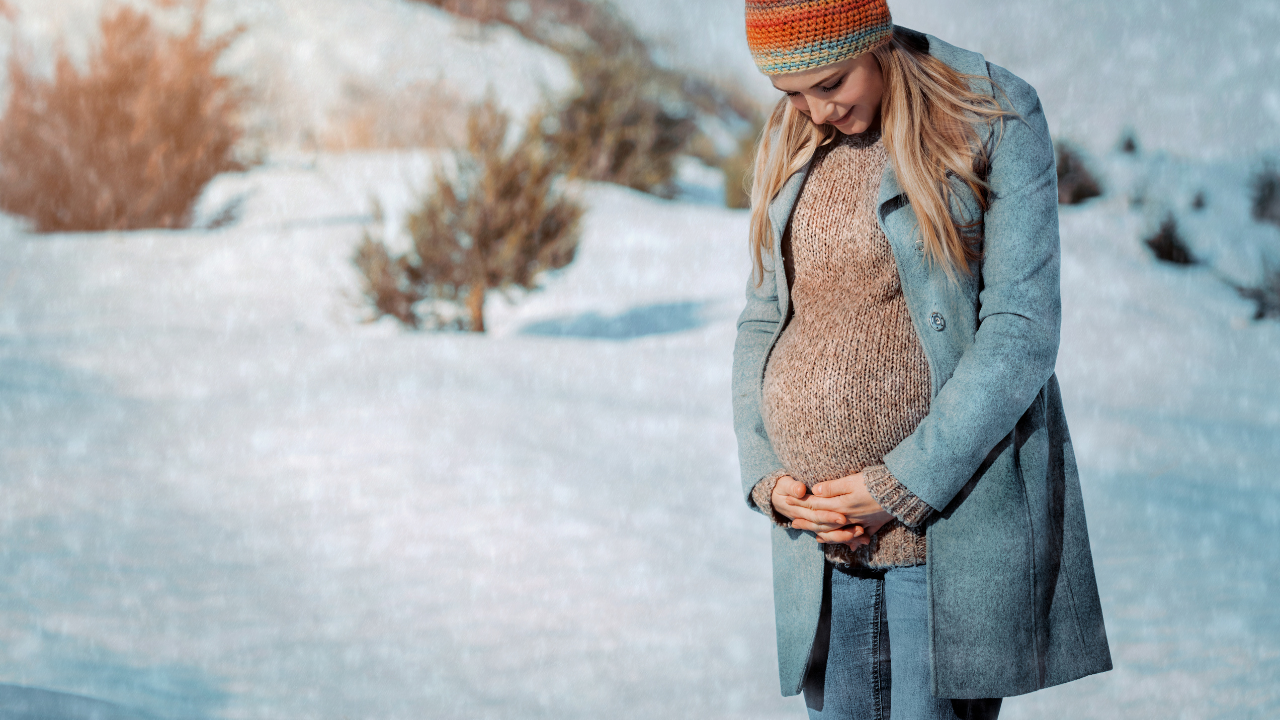
You know what it’s like to hold your belly and whisper, “Please stay safe. Please stay okay.”
Many moms silently experience this.
You are not alone.
Inspired by a recent NDTV Health article on winter pregnancies and viral exposure, this blog explores the emotional reality behind the science with compassion, sadness, and gentleness for every mom navigating pregnancy in the coldest, riskiest months of the year.
Why Winter Hits Pregnant Moms Harder Than Anyone Realizes
Pregnancy naturally weakens the immune system, not because your body is failing you, but because it’s working overtime to protect your baby. But winter viruses don’t care about that. They surge anyway. And this leaves pregnant moms feeling vulnerable, scared, and constantly on edge. Here’s why winter becomes emotionally and physically overwhelming:
1. Viral Infections Peak Between November and February
Common colds, influenza, respiratory infections, and viral fevers skyrocket during winter. For pregnant moms, even “mild” illnesses can spiral quickly, triggering:
- fever
- dehydration
- breathing difficulties
- Reduced fetal movement
Suddenly, a simple cough feels like a threat. And the sadness of constantly worrying becomes a burden that sits quietly in your chest.
2. Closed Spaces = Higher Viral Exposure
Holiday gatherings, indoor heating, and closed windows trap viruses in the air. A single sneeze lingers longer. A small exposure can lead to complications.
Pregnant moms often feel torn: Wanting to be present with family… but terrified of getting sick.
3. Hidden Dehydration + Low Vitamin D
Winter masks thirst. You don’t feel thirsty, but your body is. Dehydration can trigger headaches, dizziness, and even contractions.
And limited sunlight? It lowers Vitamin D levels, impacting:
- mood
- immunity
- baby’s bone health
No wonder so many pregnant moms feel exhausted, drained, or emotionally fragile.
4. The Emotional Toll of Constant Alertness
It’s not just physical risk. It’s the mental load, the fear of passing infections to your baby, the guilt of attending gatherings, the sadness of missing out, the isolation of protecting yourself. Pregnancy in winter doesn’t just feel hard. It feels lonely. Painful. Emotionally heavy in a way few people understand.
The Silent Emotional Weight of Winter Pregnancies
Every mom who has walked through winter pregnant knows this truth:
There is grief in feeling unsafe in your own body.
There is sadness in fearing every cough in the room.
There is pain in knowing your baby will be born during peak viral season.
Many moms won’t admit it out loud, but winter pregnancies can feel like:
- living in constant fear
- grieving the carefree pregnancy you hoped for
- feeling guilty for avoiding people
- worrying endlessly about your baby’s safety
- battling winter sadness and postpartum emotions even before birth
- preparing for postpartum anxiety long before labor begins
You are not dramatic.
You are not weak.
You are a mother who loves deeply, even before your baby arrives. And it hurts because that love is real.
How Pregnant Moms Can Protect Themselves During Winter
Here’s what research suggests, explained in a gentle, mom-to-mom way:
1. Stay Up-to-Date on Vaccinations
Vaccines recommended in pregnancy (like flu, pertussis, or COVID boosters if advised) help protect both mom and baby. Your immunity becomes your baby’s first shield.
2. Strengthen Respiratory Hygiene
Simple habits protect you more than you realize:
- crack open windows when possible
- avoid crowded indoor spaces
- wear a mask during peak viral days
- wash hands frequently
- Use a sanitizer after touching public surfaces
These small acts are quiet forms of self-love.
3. Nourish Your Body With Warm, Healing Foods
Warm soups, broths, dals, fruits, vegetables, proteins, nuts — these foods help your immune system stay steady. Winter cravings are real, but your body needs warmth, hydration, and consistent nutrients.
4. Dress in Layers & Avoid Sudden Temperature Shifts
Cold air can trigger respiratory irritation, so covering your chest and neck matters more than you think.
5. Watch Symptoms Early. Don’t Brush Things Off
If you feel:
- fever
- chills
- breathlessness
- dizziness
- severe fatigue
- Reduced fetal movement
Please reach out to your provider early. Your body’s warning signs are whispers of protection.
6. Sleep & Stress Management Are Essential, Not Optional
Winter fatigue + pregnancy fatigue = emotional fragility. Soft stretching, warm showers, sunlight walks, rest, and breathing exercises help more than you know.
Why Winter Babies Need Extra Protection And Why Moms Worry So Much
Babies born in winter arrive in the world when viruses are everywhere.
RSV. Influenza. Colds. Bronchiolitis.
Feeding struggles due to congestion.
Low energy from cold temperatures.
This is why winter moms often feel an extra heaviness in their hearts, a fear that begins before birth and sometimes continues into postpartum recovery.
But here’s the good news:
Early breastfeeding, maternal vaccination, and good hygiene make a massive difference in protecting winter newborns.
You are not powerless.
You are not failing.
You are doing everything right by caring so deeply.
Momkinz Tips for Winter Pregnancy: Gentle Help for a Heavy Season
These Momkinz insights come from real moms who’ve walked through winter pregnancies with all the fear and tenderness they carry.
1. Protect Your Peace Like You Protect Your Baby
Say no to gatherings that make you uncomfortable.
Your safety comes first.
2. Build a Winter Pregnancy Support Circle
Friends, doulas, postpartum professionals, Momkinz community groups. Connection eases fear.
3. Start Planning Postpartum Care Now
Winter postpartum can worsen:
- postpartum depression
- postpartum anxiety
- winter blues
Support early.
Support often.
Support emotionally.
4. Check in With Yourself Daily
Ask:
- “Did I drink enough water today?”
- “Did I get sunlight?”
- “Did I ask for help?”
- “Did I give myself compassion today?”
These small acts protect your mental health.
Pregnancy Isn’t Always Magical; Sometimes It’s Painful
I wish people talked about the sadness of a winter pregnancy.
The fear.
The loneliness.
The emotional weight we carry in silence.
But here is the truth I want you to hold:
You are doing everything right.
Your worry is love.
Your fear is protection.
Your sadness is understood.
You do not have to walk through winter alone.
Not anymore.
You Deserve Support, Safety, and Community
If this winter pregnancy feels heavy emotionally, mentally, or physically
Momkinz is here to walk beside you.
At Momkinz, you can find:
- postpartum support professionals
- postpartum care providers
- pregnancy-safe wellness guidance
- mental health support for moms
- postpartum support groups near you
Visit Momkinz and find comfort, connection, and care. Because motherhood, even before birth, is not meant to be endured alone.
You deserve warmth.
You deserve understanding.
You deserve a village.
FAQs About Winter Pregnancy, Viral Season & Maternal Mental Health
1. Why do pregnant women get sick more often in winter?
Pregnancy lowers immunity, and winter increases viral circulation, making moms more vulnerable.
2. Are winter infections dangerous during pregnancy?
Some can be. Fevers, dehydration, and respiratory issues require monitoring.
3. How can I safely attend holiday events while pregnant?
Wear a mask, avoid crowded indoor spaces, and prioritize ventilation.
4. What foods boost immunity safely during pregnancy?
Warm soups, fruits, vegetables, nuts, proteins, and foods rich in Vitamin C and D.
5. What symptoms should make me call my provider?
Fever, chills, breathlessness, severe fatigue, or reduced fetal movement.
6. Why are winter babies more vulnerable after birth?
They are born into peak viral season with limited developed immunity.
7. Can stress during a winter pregnancy affect my baby?
Chronic stress affects mental health; seeking support helps protect both mom and baby.
8. How can I manage postpartum emotions if I give birth in winter?
Prepare early: find support groups, postpartum professionals, and emotional care.
9. Are vaccines safe during pregnancy?
Seasonal vaccines recommended by your provider are considered safe and protective.
10. Where can I find postpartum support near me?
Visit Momkinz to connect with postpartum care providers and support groups.
RELATED ARTICLE: Why Does Winter Make Postpartum Feel Harder?