
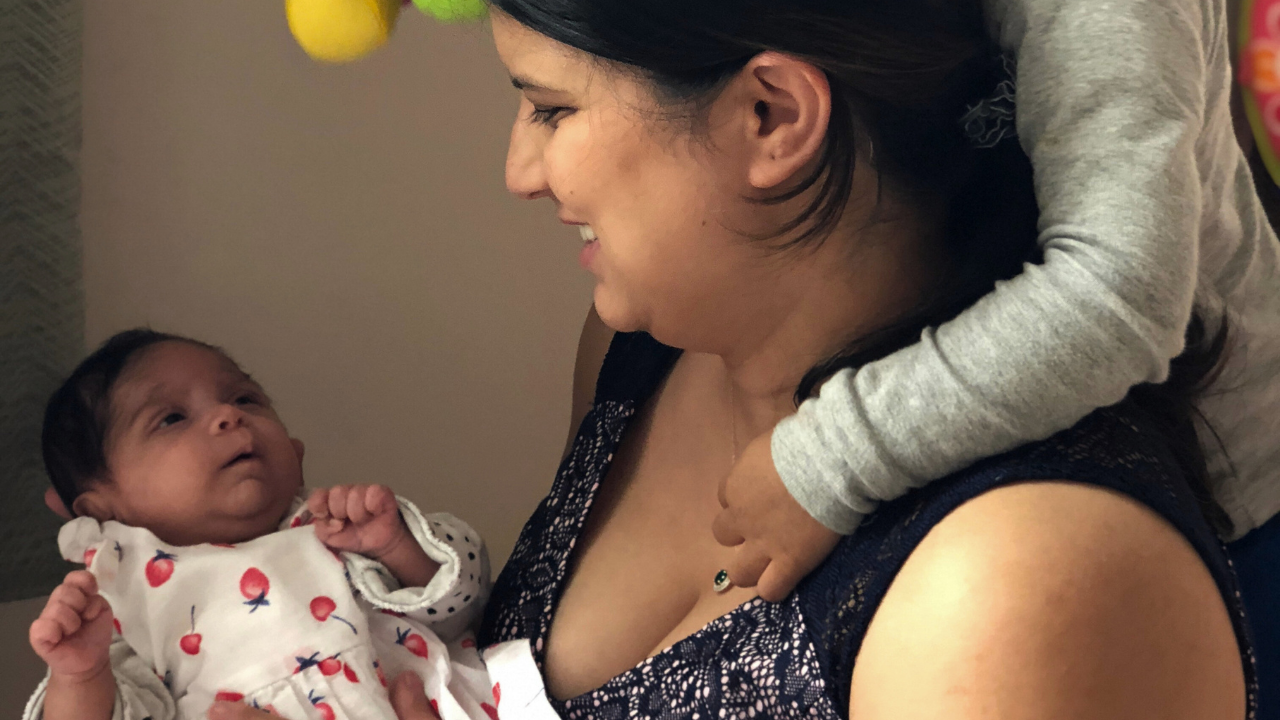
Understanding Every Aspect of Life After Birth
The postpartum period, often referred to as the “fourth trimester,” is the phase after birth when a woman’s body, emotions, mind, and identity adjust to motherhood. While society often focuses on the baby, the truth is: the mother is also born anew.
The postpartum period begins immediately after the delivery of the baby and placenta and lasts far longer than the traditional 6-week checkup suggests. In fact, the American College of Obstetricians and Gynecologists (ACOG) recognizes postpartum recovery as a minimum of 12 months long.
This period is broken down into three major phases:
- Acute Postpartum (0–6 weeks)
- Subacute Postpartum (6 weeks–6 months)
- Extended Postpartum (6 months–12+ months)
Each phase comes with specific physiological, psychological, and social transitions. Here’s what every new mom and postpartum professional should know.
At Momkinz, we believe that postpartum deserves as much planning, care, and support as pregnancy itself. This guide breaks down what postpartum really means physically, emotionally, socially, and seasonally while also helping you find the best support near you.
1. Acute Postpartum Phase (0–6 Weeks)
Also known as the “fourth trimester,” this is a time of rapid physical recovery and hormonal upheaval.
Physical Healing
- Uterine involution: The uterus shrinks back to pre-pregnancy size through contractions (afterpains).
- Lochia: Postpartum vaginal bleeding can last 4–6 weeks.
- Perineal trauma: Tears, episiotomies, or hemorrhoids are common and may require sitz baths or numbing sprays.
- C-section recovery: Healing involves scar management and avoiding heavy lifting. The incision typically heals superficially in 2 weeks, but full internal healing takes months.
Hormonal Fluctuations
- After birth, estrogen and progesterone drop sharply, which can contribute to:
- Postpartum blues (experienced by up to 80% of new moms)
- Mood swings, night sweats, and breast engorgement
- The onset of lactogenesis II (milk coming in 3–5 days post-birth)
2. Subacute Postpartum Phase (6 Weeks–6 Months)
This phase is often misunderstood, but it’s when deeper healing and mental health challenges tend to arise.
Physical Adjustments
- Pelvic floor dysfunction: Weakness, incontinence, or pain due to vaginal delivery or prolonged pushing.
- Diastasis recti: Separation of abdominal muscles, affecting core strength.
- Menstruation return: Especially for non-breastfeeding moms.
Mental Health
- This is the peak period for postpartum depression and anxiety, affecting 1 in 7 women.
- Symptoms include excessive guilt, irritability, insomnia, and inability to bond with the baby.
- Conditions such as Postpartum OCD or PTSD (from traumatic birth) can also surface.
Identity and Role Shifts
- Many mothers experience a loss of autonomy, career anxiety, and body image concerns.
- Relationship strain with partners may also arise due to sleep deprivation and differing parenting approaches.
Key Needs:
- Mental health screening at pediatric visits (AAP recommends)
- Pelvic floor therapy
- Return-to-exercise guidance
- Emotional validation and social connection
3. Extended Postpartum Phase (6 Months–12+ Months)
This is a period of redefinition. By now, society often expects moms to have “bounced back”—but many are still deeply healing.
Physical Milestones
- Ongoing breastfeeding or weaning can bring hormonal changes.
- Bone density, joint mobility, and energy levels may still be in flux.
- Some moms may begin to experience chronic pelvic pain or sexual dysfunction, often dismissed by healthcare providers.
Cognitive & Emotional Wellness
- Return-to-work stress
- Sleep deprivation and decision fatigue
- Postpartum rage or irritability (often under-recognized)
- Risk of chronic depression if untreated
Social Transitions
- Finding mom groups or regaining social identity
- Seeking career-mom balance
- Continuing relationship shifts with partner and extended family
Key Needs:
- Mental health continuity (therapy, support groups)
- Sleep coaching
- Career re-entry support
- Weaning support and breast care
Seasonal Shifts in Postpartum Care
Spring: Renewal & Reconnection
Spring marks a gentle awakening after the heaviness of winter. For many new moms, it brings the courage to step outside both literally and emotionally. With warmer weather and longer days, postpartum support circles start to bloom again, and stroller walks in nature can offer healing movement and community.
However, spring also brings seasonal challenges like pollen allergies, eczema flare-ups in sensitive newborns, and new concerns about sun exposure during outdoor feedings. Moms may feel pressure to start “spring cleaning” their home and their bodies. C-section scar care becomes more relevant as clothing gets lighter. Emotionally, the approach of Mother’s Day can be tender, especially for first-time or grieving mothers. This is a time to reconnect with baby, with self, and with support systems.
Summer: Exposure & Overwhelm
While the sun shines brighter, summer can feel surprisingly overwhelming for postpartum moms. The heat brings physical discomfort think sweating, while babywearing, managing heat rashes, and struggling with hydration while breastfeeding. This season often includes the first attempts at travel or family gatherings with a newborn, leading to overstimulation and exhaustion.
Body image insecurities may surface more strongly during swimsuit season, especially when societal pressure to “bounce back” ramps up. On the flip side, summer offers freedom: stroller-friendly festivals, splash pads for sensory fun, and a chance to socialize outdoors. However, new moms need strong boundaries and strategies to protect both their physical and emotional energy.
Fall: Grounding & Awareness
Fall is a season of transition, and for new moms, it can be both grounding and emotionally revealing. As routines return—older kids head back to school and schedules solidify, moms may find space to reflect on their birth experience and early parenting challenges. This reflection can bring clarity, but it can also surface unprocessed trauma or grief. October is Postpartum Depression Awareness Month, making it an ideal time to prioritize mental health screenings and normalize emotional support.
As temperatures drop, cozy postpartum practices like layering in soft loungewear, warming meals, and embracing seasonal rituals become acts of self-care. However, flu season also begins, which brings anxiety around newborn immunity and siblings bringing germs home. Fall reminds moms to root down, reassess, and tend to their inner world.
Winter: Isolation & Introspection
Winter can be the most isolating postpartum season and also the most emotionally intense. Shorter days, limited sunlight, and extreme weather can exacerbate Seasonal Affective Disorder (SAD) and deepen feelings of loneliness. Many new moms spend this time indoors, navigating cabin fever while also handling sleep regressions, dry skin, cradle cap, and the emotional intensity of the holidays.
Events like Christmas or Valentine’s Day can carry pressure to “enjoy the moment,” even when moms are running on empty. On the upside, this is also a season of rest and reflection. Virtual mom support groups become lifelines. New Year’s intentions and gentle vision boards can offer hope. Winter asks moms to slow down, honor their pace, and seek comfort not just for the baby, but for themselves.
FAQs About Postpartum
1. How long is the postpartum period really?
At least 12 months, per ACOG. Physical healing may occur sooner, but emotional and hormonal recovery takes longer.
2. What’s the difference between baby blues and postpartum depression?
- Baby blues: Short-term sadness/mood swings typically resolve in 2 weeks.
- PPD: Long-lasting sadness, disconnection, or intrusive thoughts requiring professional help.
3. When should I seek help for mental health?
Immediately, if you feel:
- Persistently sad
- Anxious or panicky
- Unable to bond with the baby
- Suicidal or overwhelmed
4. Is postpartum anxiety different from postpartum depression?
Yes. Anxiety includes:
- Constant worry about the baby’s safety
- Intrusive thoughts
- Trouble sleeping even when the baby sleeps
- Physical symptoms (racing heart, nausea)
5. What is pelvic floor therapy, and who needs it?
Pelvic floor therapy helps with:
- Incontinence
- Painful intercourse
- Pelvic organ prolapse
- Diastasis recti
It’s useful for nearly every birthing person.
6. Can I exercise after birth?
Yes, with clearance. Gentle walks and postpartum yoga may start early, but high-impact exercise should wait until 6+ weeks or longer if needed.
7. How do I know if breastfeeding is going well?
You should see:
- 6+ wet diapers/day
- Audible swallowing
- Weight gain
If not, consult a lactation consultant.
8. Is it okay to formula feed or combo feed?
Absolutely. Fed is best. If breastfeeding isn’t working for your body or mind, formula or mixed feeding is a healthy option.
9. What support is available for moms who don’t live near family?
- Virtual doulas
- Online therapy (especially for rural or military moms)
- Local postpartum directories like Momkinz
- In-home postpartum care providers
10. Do I need help even if I feel “fine”?
Yes. Postpartum support is not only for crises, it is also for prevention, education, and connection. You deserve rest, joy, and validation.
Find Your Village with Momkinz
At Momkinz, we know that postpartum is more than just healing; it’s about becoming. Whether you’re in the quiet newborn bubble, navigating sleepless nights, or re-learning who you are after birth, you shouldn’t have to do it alone.
Our all-in-one Postpartum Support Directory connects you to trusted doulas, lactation consultants, pelvic floor therapists, sleep coaches, and maternal mental health professionals—locally or virtually. From C-section recovery to emotional overwhelm, we help you find the support that actually fits your life. Explore by city, filter by need, and start building the village that every mother deserves.
👉 Visit Momkinz to find postpartum care near you or get listed if you’re a professional who supports new moms.
Postpartum isn’t a single milestone. It’s a metamorphosis. Whether you’re healing from birth, navigating feeding, or rediscovering your identity, you deserve care that evolves with the seasons of your body, your baby, and your life.
Momkinz is the easiest way to find trusted, local, and expert help.


In Momkinz: We see you. We hear you. And we built this for you.