
The Question We All Whisper
How many times have you asked yourself, “Am I a good mom?” Maybe it’s at 3 a.m. when your baby won’t sleep. Maybe it’s after snapping at your toddler because you’re running on fumes. Or maybe it’s when you scroll through social media, comparing yourself to other moms who seem to have it all together.
Let’s pause for a moment and breathe because you’re not alone. Every mother, at some point, wonders if she’s doing enough, being enough, loving enough. The truth? The very fact that you’re asking the question means you already are.
But it’s also true that motherhood, especially postpartum recovery, can make even the most confident woman doubt herself. So let’s talk about what this really means, why it happens, and how to rebuild your confidence one small, honest step at a time.
Why Moms Doubt Themselves After Birth
Motherhood is one of the most transformative journeys a woman can experience. Yet, it comes with immense pressure to heal quickly, to look happy, to keep everything under control.
After pregnancy and birth, your body changes, your hormones fluctuate, your identity shifts, and your world suddenly revolves around someone else’s needs 24/7. It’s no wonder many moms quietly ask, “What happened to me?”
Research Insight: According to the CDC, nearly 1 in 7 mothers in the U.S. experiences postpartum depression, and about 20% experience postpartum anxiety. These conditions often begin with self-doubt and guilt, the feeling that you’re failing even when you’re doing your best. This mental load can become heavy, especially when you’re isolated or expected to “bounce back” as if nothing happened. But you’re not broken, you’re human, and you’re healing.
The Invisible Weight of Mom Guilt
Mom guilt is universal. It creeps in when you return to work, when you take a break, or even when you enjoy a moment for yourself. Society tells moms to “do it all,” but no one can pour from an empty cup.
Signs of mom guilt and burnout:
- Constantly comparing yourself to other moms
- Feeling like you’re failing, no matter what you do
- Experiencing fatigue, irritability, or emotional numbness
- Ignoring your own needs because you feel guilty prioritizing them
You don’t have to be a “perfect mom.” You just need to be a present one. Connection matters more than perfection.
Research Insight: A study from the Journal of Affective Disorders found that moms with persistent guilt are more likely to experience postpartum depression symptoms, especially when they lack social or emotional support.
Redefining What It Means to Be a “Good Mom”
Being a good mom isn’t about spotless kitchens, Pinterest-worthy crafts, or keeping your cool 24/7. It’s about showing up, loving your baby, and forgiving yourself when you fall short because all moms do.
Here’s what truly makes a good mom:
- You ask questions and try your best, even when it’s hard.
- You apologize when you lose your patience.
- You love fiercely, even when you’re exhausted.
- You keep going, even when you’re not sure how.
Motherhood isn’t about perfection; it’s about presence. Every diaper change, every sleepless night, every tear wiped from your baby’s face, it all adds up to love.
When the voice of doubt gets loud, talk to yourself like you would talk to your best friend. You’d never tell her she’s failing — you’d remind her she’s doing her best. So do that for yourself too.
Steps to Rebuild Confidence as a Mom
-
Acknowledge Your Feelings
It’s okay to say, “This is hard.” Naming your emotions doesn’t make you ungrateful; it makes you self-aware. -
Ask for Help
Whether it’s from your partner, family, or a postpartum support professional, asking for help isn’t a weakness; it’s a strength. -
Join a Support Group
Search for postpartum support groups near me or online communities through Momkinz postpartum support. Hearing “me too” can be life-changing. -
Prioritize Sleep and Nutrition
Exhaustion intensifies anxiety and self-doubt. Even a short nap or a balanced meal can reset your mood and perspective. -
Speak to a Professional
If feelings of guilt, sadness, or worthlessness persist, reach out to a postpartum care provider or therapist. You deserve healing and help.
The Research Reality: Moms Are Struggling More Than Ever
In the U.S., maternal mental health challenges are on the rise.
- About 21% of mothers report postpartum anxiety or depression, but fewer than half seek help.
- Sleep deprivation, isolation, and lack of support are among the top triggers for maternal mental health struggles.
- Women of color and single mothers are disproportionately affected, often due to limited access to postpartum care.
These numbers aren’t here to scare you; they’re here to remind you that what you’re feeling isn’t rare. It’s real, and it deserves care.
What to Remember on the Hard Days
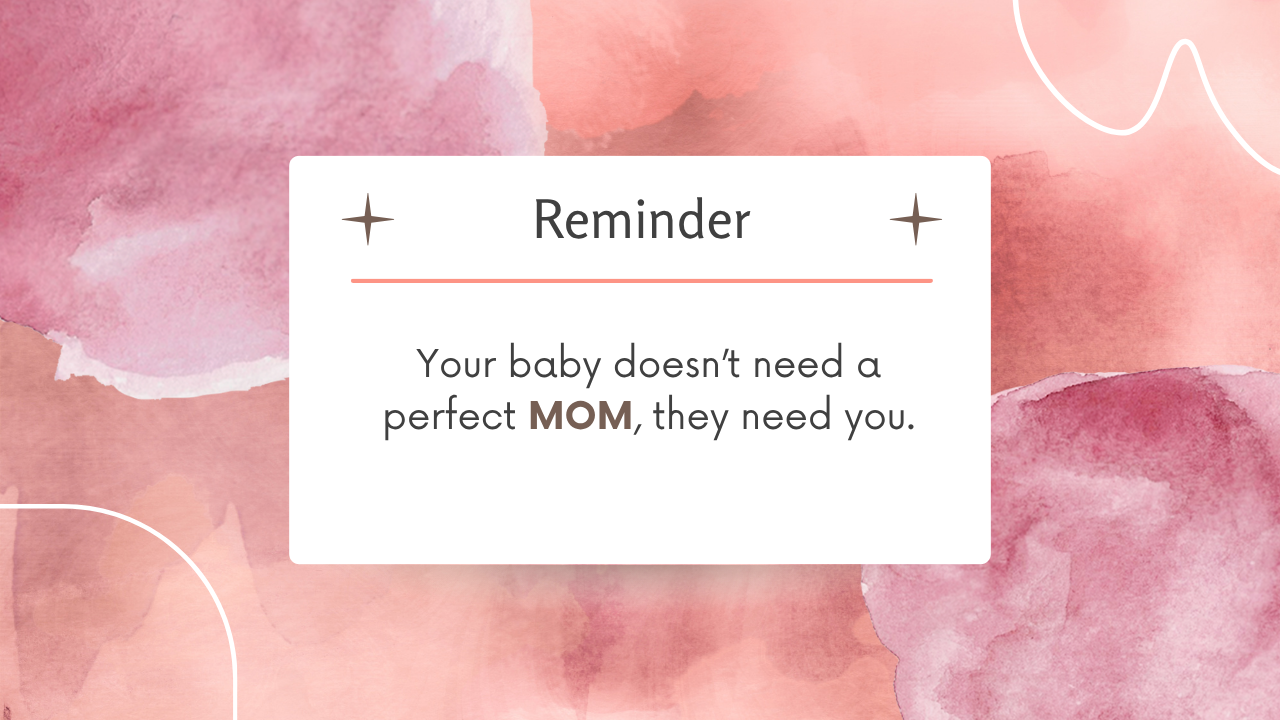
- Your baby doesn’t need a perfect mom; they need you.
- Asking for help doesn’t make you weak; it makes you wise.
- Every time you comfort your child, show up tired, or try again after failing, you’re doing it right.
- Healing physically, emotionally, and mentally is part of being a mom.
If no one’s told you today: You’re doing an amazing job.
You’re Already Enough, Mama
Being a mom doesn’t come with a rulebook. There’s no one right way to do this. But every time you love your child, try again after a hard day, or show up when it’s difficult, that’s proof that you’re doing it right.
You don’t need to do it alone, either. At Momkinz, we believe that every mom deserves a community that reminds her she’s not failing, she’s learning, growing, and healing.
That’s why Momkinz postpartum support connects you with trusted postpartum care providers, mental health professionals, and postpartum support groups near you so you can find the help and reassurance you need, when you need it most.
👉 Visit Momkinz today because you’re not just a good mom. You’re a brave one. And that deserves support.
FAQs About Motherhood, Self-Doubt, and Postpartum Confidence
1. Is it normal to question if I’m a good mom?
Absolutely. Every mom questions herself, especially during postpartum recovery. It’s a sign you care deeply about doing your best, not that you’re failing.
2. Why do I feel like I’m not doing enough as a mom?
Between exhaustion, hormonal changes, and social pressure, it’s easy to doubt yourself. Remember, caring for a baby 24/7 is already more than enough.
3. Can postpartum depression make me feel like a bad mom?
Yes. Postpartum depression symptoms often include guilt, hopelessness, and self-blame. These feelings don’t define you; they’re a signal you need compassion and support.
4. How common is postpartum depression in the U.S.?
According to the CDC, about 1 in 7 mothers experience postpartum depression after birth, and about 1 in 5 experience postpartum anxiety.
5. How can I tell the difference between postpartum depression and normal new-mom stress?
Normal stress fades with rest and reassurance. If sadness, anxiety, or guilt persist for more than two weeks, reach out to a postpartum care provider or therapist.
6. What can I do when mom guilt feels overwhelming?
Pause and ask: “Would I say this to a friend?” Treat yourself with the same kindness you give others. Joining postpartum support groups near me can also help you feel less alone.
7. Why do I feel isolated even when I’m surrounded by people?
Isolation in motherhood is emotional, not just physical. Many moms feel unseen or misunderstood. Talking to a postpartum support professional or other moms can help you reconnect.
8. How do I rebuild confidence after birth?
Start with a small shower, eat, rest, or take a short walk. Self-care isn’t selfish; it’s essential for recovery. Platforms like Momkinz postpartum support can connect you with experts who guide you step-by-step.
9. Can therapy or support groups really help?
Yes. Research shows that moms who engage in counseling or peer support experience faster emotional recovery and lower rates of postpartum depression and anxiety.
10. What should I remember on tough days?
That love matters more than perfection. Every diaper changed, every hug, every effort counts. You’re not just a good mom, you’re enough, exactly as you are.