
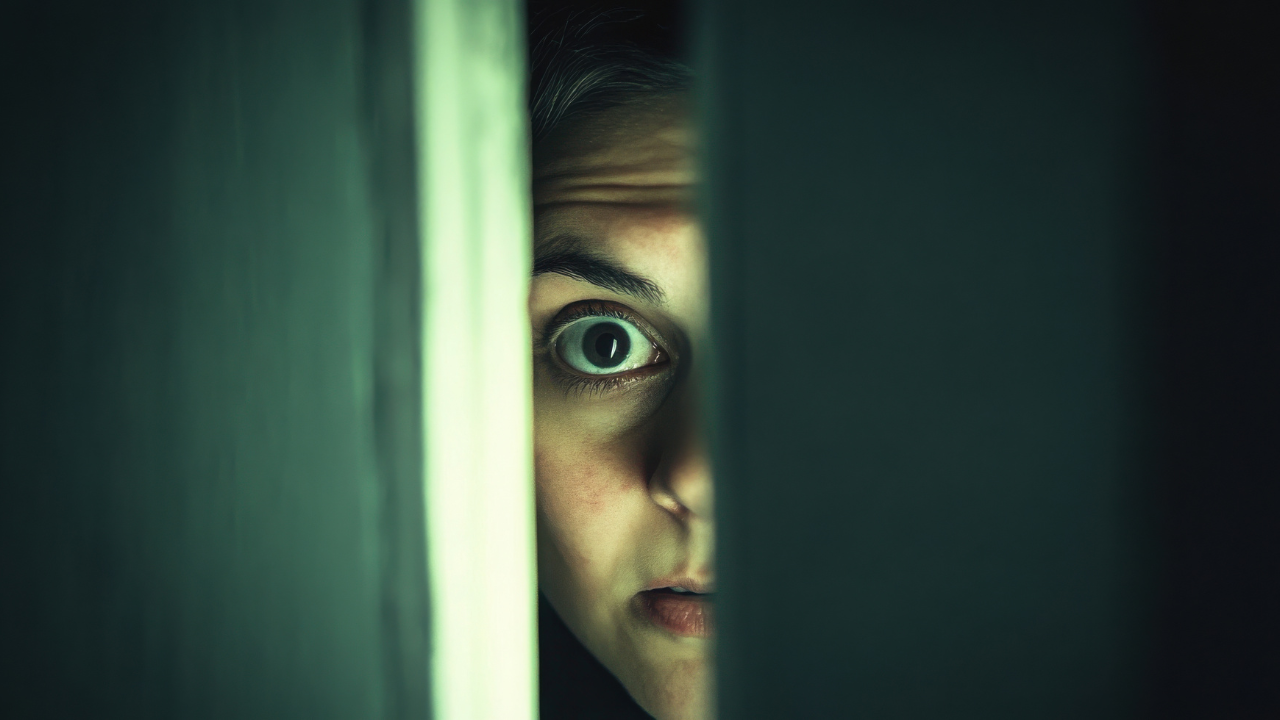
When Your Worries Feel Too Loud – Do you ever find yourself lying awake at 2 a.m., staring at your baby’s chest to make sure they’re still breathing? Do you replay moments from the day the bottle you warmed, the nap that ran too long, the tiny cough you heard, wondering if you missed something?
You tell yourself it’s just being cautious, but sometimes it feels heavier. The line between mom’s instinct and postpartum anxiety can blur until you can’t tell the difference anymore.

If you’ve ever wondered, “Am I being paranoid, or is something really wrong?” you’re not alone. Let’s talk about the difference between protective intuition and when worry might be a sign your mind is asking for help.
The Beauty (and Power) of a Mom’s Instinct
From the moment you hold your baby, something shifts. You notice every sound, every sigh, every subtle change in your baby’s face. This isn’t overthinking, it’s instinct.
Your body was designed to protect your baby.
- You wake up before your baby cries.
- You sense when something is off.
- You know what your child needs even before they can tell you.
This heightened awareness is biological. After pregnancy and birth, your brain literally changes, growing new neural connections that make you more attuned to your baby’s needs.
Research Insight: Studies from the National Institutes of Health (NIH) show that a mother’s brain increases gray matter in areas tied to empathy and vigilance during the postpartum period. This is your maternal instinct, not paranoia.
👉 Mom-to-Mom Reminder: That “gut feeling” that something isn’t right with your baby? It’s real and worth listening to. But when those feelings grow constant or crippling, it may be something deeper.
When Worry Becomes Overwhelming: The Line Between Instinct and Anxiety
There’s a difference between trusting your intuition and feeling controlled by fear.
When healthy caution turns into obsessive worry or panic, it’s time to look closer.
Here’s how to tell the difference:
| Mom’s Instinct | Postpartum Anxiety or Depression |
|---|---|
| Helps you respond calmly and effectively | Triggers panic, racing thoughts, or guilt |
| Comes and goes with reason | Feels constant or uncontrollable |
| Motivates you to protect your baby | Drains your energy and peace |
| Leads to reassurance after checking | Leads to more worry, even after checking |
Research Insight: According to the CDC, about 1 in 8 women experience postpartum depression, though newer studies suggest the number may be as high as 1 in 7 when anxiety and related symptoms are included. Nearly 20% of new moms experience postpartum anxiety. Many describe it as “feeling constantly on alert,” or “like my brain won’t stop scanning for danger.”
👉 Mom-to-Mom Insight: If your thoughts keep looping, your heart races for no clear reason, or your worries make it hard to sleep or enjoy your baby, that’s not instinct. That’s anxiety, and it’s not your fault.
The Guilt That Comes With Doubt
Here’s something most moms won’t say out loud: the guilt is sometimes worse than the fear.
You might think:
- “Other moms seem so calm. Why can’t I relax?”
- “Maybe I’m overreacting.”
- “I’m supposed to love this season, but I just feel anxious.”
This inner conflict can spiral into shame, making you less likely to ask for help. But please remember this: you’re not crazy, you’re not paranoid, and you’re not alone.
Your body and mind are healing from pregnancy, birth, and sleepless nights. You’ve been rewired to protect your baby, but even strong instincts can get overwhelmed by stress, hormones, or exhaustion.
Research Insight: Sleep deprivation and hormonal changes in the first 12 weeks postpartum are two of the top risk factors for postpartum depression symptoms and anxiety.
How to Tell If It’s Time to Seek Help
You may be experiencing postpartum depression or anxiety if:
- Your worry feels constant, even when your baby is safe.
- You imagine worst-case scenarios repeatedly.
- You avoid sleeping because you’re afraid something will happen.
- You feel detached, numb, or overly irritable.
- You cry often and feel hopeless, even on “good days.”
👉 Tip: If your worry feels louder than your love, it’s time to reach out, not because you’re failing, but because you deserve peace.
Remember: Seeking help doesn’t mean you don’t love your baby. It means you love them enough to take care of yourself, too.
Steps for Moms Navigating Instinct vs. Anxiety
-
Trust but Verify
If your instinct says something’s off with your baby, check, but if reassurance doesn’t calm you, pause and notice your thoughts. -
Track Your Emotions
Journaling your feelings helps you see patterns. Do your fears spike at night? After scrolling social media? Recognizing triggers brings clarity. -
Talk to a Postpartum Care Provider
Mention your symptoms to your OB/GYN, midwife, or a postpartum support professional. They can screen you for postpartum depression or anxiety and guide you toward treatment. -
Join a Support Community
Search for postpartum support groups near me or connect with other moms through Momkinz postpartum support. Hearing “me too” from another mom can bring instant relief. -
Create a Calm Routine
Deep breathing, gentle walks, or five minutes of stillness before bed can train your body to move from fear back to calm.
The Science of Healing: Why Support Works
Research Insight: Studies show that moms who receive early postpartum support from partners, friends, or professionals are 40% less likely to develop severe postpartum depression or anxiety.
Postpartum recovery isn’t about doing more; it’s about letting others in. Whether that’s a trusted friend, a doula, or a mental health provider, sharing the load helps you separate instinct from fear and return to yourself. You can be vigilant without being consumed by worry. You can be protective and still rest.
You’re Not Broken but You’re Becoming
Mama, there’s nothing wrong with being protective. You were built to care deeply. But if your mind feels stuck in worry, please know that help exists and you don’t have to navigate this alone.
Trust your intuition, but also trust that healing is possible when you reach for support.
At Momkinz, we’re here to walk beside you. Our platform connects you with trusted postpartum care providers, support professionals, and postpartum support groups near you because your peace of mind matters as much as your baby’s health.
👉 Visit Momkinz postpartum support today because your instincts are powerful, and with support, they can also be peaceful.
FAQs About Mom’s Instinct, Anxiety, and Postpartum Depression
1. How do I know if it’s mom’s instinct or postpartum anxiety?
Mom’s instinct helps you act calmly to protect your baby. Postpartum anxiety, on the other hand, feels constant, overwhelming, and exhausting. If you keep worrying even after confirming your baby is fine, it’s likely anxiety, not instinct.
2. Are postpartum worries normal?
Yes! Every mom worries. But when those worries start affecting your sleep, mood, or ability to enjoy time with your baby, that’s when it may be more than normal worry.
3. How common is postpartum depression or anxiety in the U.S.?
According to the CDC, about 1 in 8 women experience postpartum depression, though newer studies suggest the number may be as high as 1 in 7 when combined with anxiety and related symptoms are included. Nearly 20% of new moms experience postpartum anxiety. These are some of the most common and treatable postpartum conditions.
4. What are the signs of postpartum depression symptoms?
Sadness, hopelessness, crying often, feeling disconnected from your baby, guilt, or loss of interest in things you once enjoyed. If these persist for more than two weeks, reach out for help.
5. Can postpartum anxiety make me feel paranoid or “crazy”?
Yes, anxiety can make you feel hyper-alert, fearful, or like your thoughts are racing. You’re not “crazy,” your body is flooded with stress hormones that need time and care to balance again.
6. How can I tell if my fears are valid or just anxiety talking?
If reassurance doesn’t calm you, if your fear grows instead of eases, or if it interferes with rest and bonding, it’s time to talk to a postpartum care provider or therapist.
7. Does sleep deprivation make postpartum anxiety worse?
Absolutely. Lack of sleep heightens anxiety and emotional instability. Prioritize rest and ask for help; even short naps or a night of uninterrupted sleep can reset your brain.
8. What helps calm postpartum anxiety at home?
Try slow breathing, journaling your worries, staying hydrated, and connecting with other moms through postpartum support groups near me or online communities like Momkinz postpartum support.
9. Can postpartum depression go away on its own?
Sometimes mild cases improve, but many moms need therapy, medication, or structured support. The earlier you reach out, the faster you recover, and you don’t have to do it alone.
10. Where can I find safe and trusted postpartum support?
Platforms like Momkinz postpartum support connect you with verified postpartum support professionals, care providers, and local or virtual groups so you can find the help you need, when you need it.