
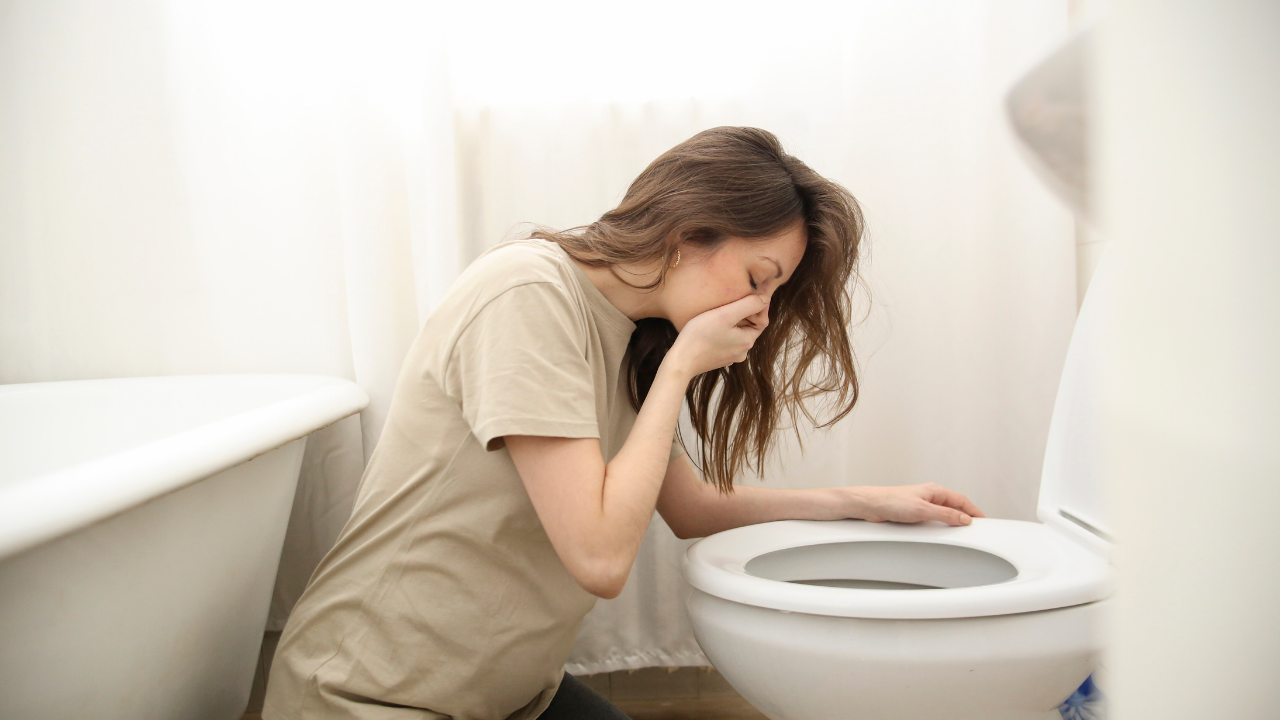
When you’re pregnant, you might feel like your body is performing a magical act of strength and beauty. But what often catches new moms off guard is what happens after the baby arrives: the hormonal rollercoaster of the postpartum period.
If you’ve ever wondered, “What the heck is happening to me?” mood swings, tears for no reason, intense anxiety, or just feeling “off,” you are not alone. And more importantly, you’re not crazy.
It’s science, mama. Specifically, it’s the dramatic shift in estrogen, progesterone, and prolactin that’s happening inside you.
Today, let’s walk through what’s happening to your body and how you can ride the hormonal wave with more understanding and self-compassion.
What Are Pregnancy Hormones?
Pregnancy hormones are special chemicals your body makes to support you and your growing baby during pregnancy. They are nature’s way of helping your body:
- Grow and nurture a baby.
- Prepare for birth.
- Get ready for breastfeeding.
- And (big one) adjust your brain and emotions for motherhood!
Think of them as your body’s little project managers, making sure everything happens at the right time.
The Main Pregnancy Hormones (Your “Big 4”)
1. hCG (Human Chorionic Gonadotropin)
- Nickname: The pregnancy test hormone.
- It’s the first hormone that skyrockets when you get pregnant.
- It supports the early stages by telling your body, “Hey, we’re pregnant!”
- Fun fact: It’s what pregnancy tests detect.
2. Progesterone
- Nickname: The bodyguard.
- Protects your growing baby by thickening your uterine lining.
- Keeps your muscles (like your uterus) relaxed to prevent early contractions.
- Helps keep your immune system calm so it doesn’t attack the baby.
3. Estrogen
- Nickname: The builder.
- Helps your uterus grow.
- Boosts blood flow to your baby.
- Prepares your body for breastfeeding.
- Supports mood (although too much can also cause emotional rollercoasters!).
4. Relaxin
- Nickname: The stretcher.
- Loosens your joints and ligaments to prepare your body for labor and delivery.
- That’s why you might feel more “wobbly” or have hip/back aches during pregnancy.
These hormones are essential for keeping your pregnancy healthy, helping your baby grow strong, preparing your body for birth and breastfeeding, and shifting your emotions to help you bond deeply with your baby.
Quick Example (Real Life!)
Ever wondered why your emotions feel super intense during pregnancy?
(Like crying because you dropped your toast?)
That’s progesterone and estrogen, doing their emotional magic (and sometimes mischief)!
In short:
Pregnancy hormones build the baby, protect the pregnancy, prepare you for birth, and transform you into a mother.
What Are Postpartum Hormones?
Postpartum hormones are the powerful chemical messengers that help your body adjust after giving birth.
Right after you deliver your baby (and placenta), your levels of pregnancy hormones like estrogen and progesterone crash dramatically — almost overnight.
Meanwhile, new hormones like prolactin and oxytocin rise to help with breastfeeding, healing, and bonding with your baby. Postpartum hormones are why you might feel:
- Emotional ups and downs.
- Crying for “no reason.”
- Anxiety or sadness.
- Deep love and attachment to your baby.
In short: Postpartum hormones are your body’s way of healing, adjusting, and stepping into your new role as a mom — physically, emotionally, and mentally.
The Main Postpartum Hormones:
- Estrogen and Progesterone: Drop sharply after birth (hello mood swings!).
- Prolactin: Rises to produce breastmilk and promotes nurturing feelings.
- Oxytocin: Called the “love hormone,” it helps you bond with your baby and contract your uterus back down.
- Cortisol: Stays a bit higher to help you stay alert as you care for your newborn.
Postpartum hormones are intense, but they are temporary — and they’re working hard behind the scenes to help you heal, connect, and adjust to this beautiful new chapter of motherhood.
The Postpartum Drop: Hormonal Whiplash
Once your baby is born and the placenta is delivered, estrogen and progesterone levels plummet almost immediately — falling back to pre-pregnancy levels within 24 hours.
Imagine: It’s like going from a raging rock concert to total silence overnight. This massive hormonal crash is one of the primary reasons new moms experience:
- Intense mood swings (“baby blues”).
- Crying spells for no apparent reason.
- Anxiety or irritability.
- Sleep disturbances (even when the baby sleeps).
According to the American College of Obstetricians and Gynecologists (ACOG), about 80% of new moms experience the “baby blues” during the first 2 weeks postpartum
Prolactin: The Breastfeeding Hormone
While estrogen and progesterone crash, another hormone takes center stage: prolactin. Prolactin’s main job? Stimulate milk production.
It also:
- Promotes bonding with your baby.
- Can suppress ovulation (which is why breastfeeding is linked to natural contraception, though not foolproof!).
- Lowers dopamine (the “feel good” hormone), which might partly explain why some breastfeeding moms experience anxiety, sadness, or even D-MER (Dysphoric Milk Ejection Reflex)
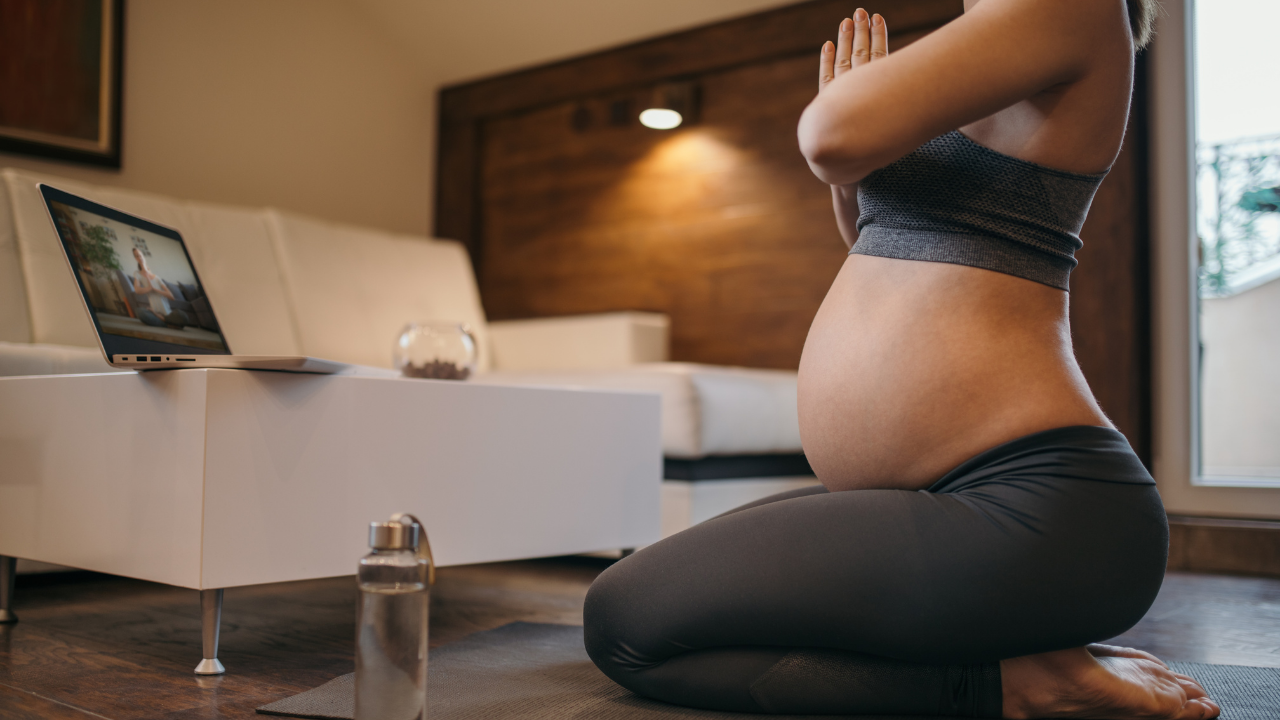
Why Mood Swings, Anxiety, and PPD (Postpartum Depression) Happen
Baby Blues vs. Postpartum Depression
- Baby Blues: Emotional rollercoaster lasting 2-3 weeks after delivery. Symptoms include crying easily, irritability, and feeling overwhelmed.
- Postpartum Depression (PPD): More severe, longer-lasting depression that affects 1 in 7 moms. Symptoms can include persistent sadness, hopelessness, lack of interest in your baby, and even scary thoughts.
Important: If your feelings don’t improve after a couple of weeks, or if they worsen, it’s vital to reach out to your doctor or a postpartum mental health specialist
Hormones + Sleep Deprivation = Double Trouble
On top of the hormonal changes, sleep deprivation (because…newborn life) can worsen emotional regulation. Studies show that sleep-deprived new moms are more prone to anxiety, depression, and emotional outbursts
How to Support Your Hormonal Healing (and Why It Matters)
Understanding the massive shift from pregnancy hormones to postpartum hormones helps explain why new moms often feel emotionally and physically overwhelmed.
During pregnancy, your body’s hormones estrogen, progesterone, hCG, and relaxin work to grow and protect your baby, building a new life. After birth, those hormones drop dramatically, and new ones like prolactin and oxytocin rise to support breastfeeding, bonding, and healing.
This hormonal crash and rebuild are natural, but they can feel intense. That’s why it’s so important to take steps to support your body and mind during postpartum recovery.
Here’s what you can do:
1. Prioritize Sleep Whenever Possible
Even short naps can help reset your brain chemistry and soften the emotional impact of hormonal swings. Remember: you’re healing, not just resting.
2. Eat Nutrient-Rich Foods
Fuel your body with foods that support mood and brain health, like salmon, spinach, avocados, nuts, seeds, and fortified cereals. These nutrients help stabilize emotions and rebuild energy after birth.
3. Ask for Help (and Accept It!)
Motherhood is not meant to be a solo journey. Whether it’s your partner, family, friends, or postpartum doulas, having support lightens the emotional and physical load. Accepting help is a sign of strength, not weakness.
4. Stay Hydrated
Especially for breastfeeding moms, hydration is key to maintaining milk supply, energy levels, and emotional balance. Keep water nearby and drink often.
5. Consider Therapy
Postpartum therapy isn’t just for those diagnosed with depression or anxiety. Talking to a professional can help you navigate the emotional transitions that hormonal changes naturally bring.
6. Build Your Village
Find a community like Momkinz Support Group— even if it’s online. Sharing your experiences with other moms normalizes what you’re feeling and reduces isolation. Real conversations with women who “get it” can be healing all on their own.
How Momkinz Helps You Heal During This Transition
At Momkinz, we understand just how intense the shift from pregnancy to postpartum can feel physically, mentally, and emotionally. That’s why we created a platform where new and expecting moms can easily find trusted experts.
Whether you need help with breastfeeding, mental health support, healing guidance, or simply a listening ear, Momkinz connects you with professionals who specialize in postpartum care so you don’t have to navigate this hormonal and emotional journey alone.
Your hormones are working hard to reshape and heal you after pregnancy. Momkinz is here to make sure you have the right support every step of the way.
Your Feelings Are Valid
Postpartum hormones are powerful, chaotic, and deeply impactful —but here’s the truth: you’re not “broken” if you don’t feel blissful every second after birth. You are human. Your body just completed one of the most extraordinary feats imaginable, growing and bringing life into the world, and now it’s finding its way back. In this tender season, be gentle with yourself, celebrate the small wins that matter more than you think, and don’t hesitate to reach out if you need support. You are doing an amazing job, even on the days it doesn’t feel like it. You’ve got this, mama.