
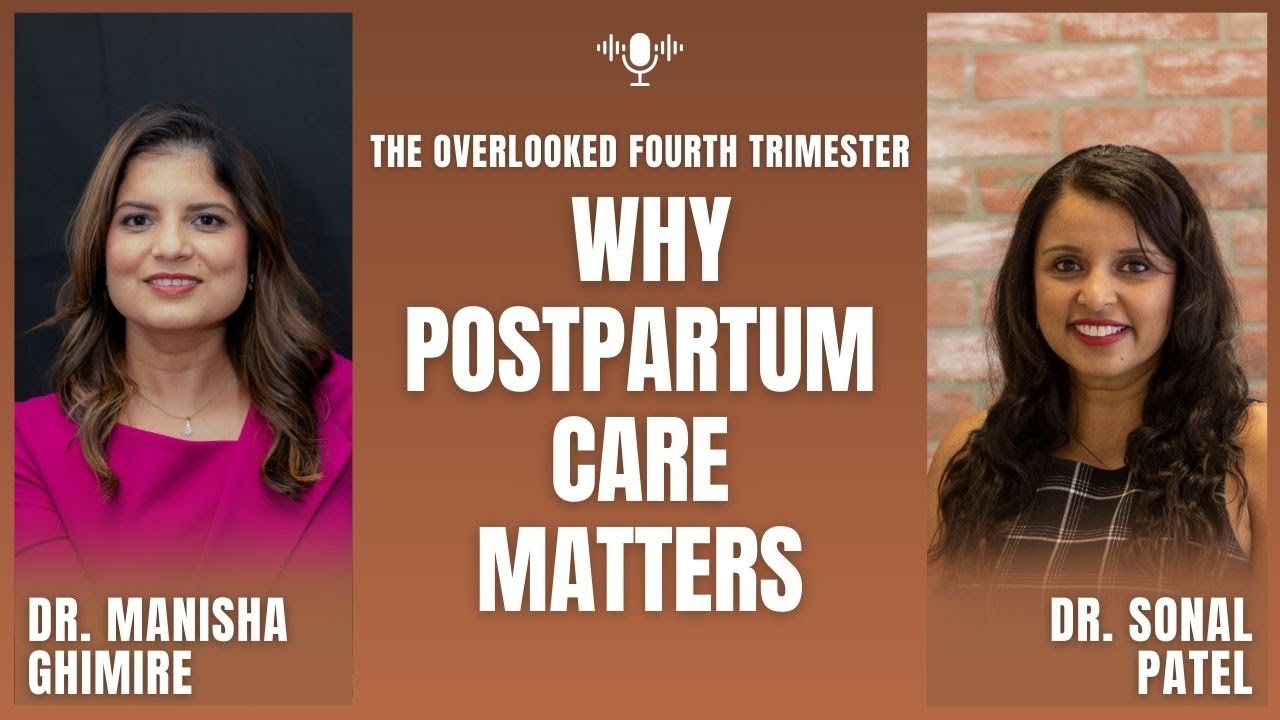
Pregnancy often takes center stage in healthcare, but the truth is this: the most critical phase of healing for moms begins after the baby is born. The first weeks and months after delivery, known as the “fourth trimester,” are a time of immense physical recovery, hormonal shifts, and emotional adjustment.
Yet, postpartum care is still one of the most overlooked aspects of maternal health. Many moms are sent home with a newborn and told, “See you at your six-week checkup,” as if the journey between birth and that one appointment doesn’t matter. But it does deeply.
Why the Fourth Trimester Matters
The first weeks and months after birth are often called the fourth trimester, and for good reason. Just as pregnancy reshaped your body and life, this period brings its own profound changes. Yet unlike pregnancy, postpartum care is often overlooked. Too many moms leave the hospital with a newborn in their arms but little guidance for their own recovery. Here’s why this time matters so deeply:
Physical Recovery
Your body has just done something extraordinary, but it also needs time to heal. Whether you’re coping with perineal trauma, C-section incisions, or pelvic floor changes, recovery doesn’t happen overnight. Even when the outside looks “healed,” the inside is still mending. Moms often wonder, “Why do I still feel sore, weak, or exhausted?” The answer is simple: real healing takes time.
Hormonal Changes
In the days after birth, your hormone levels shift dramatically. Estrogen and progesterone plummet, sometimes leaving you feeling like you’re on an emotional rollercoaster. It’s not just the “baby blues.” These changes can trigger mood swings, night sweats, or breast engorgement. For some moms, they open the door to postpartum depression or anxiety. Recognizing this isn’t weakness — it’s biology at work.
Mental Health
While society focuses on the baby, a mother’s mental health is often left in the shadows. Anxiety, depression, and even postpartum rage are more common than people admit. They can sneak in quietly, showing up as irritability, constant worry, or difficulty bonding with your baby. Without support, these struggles can stretch far beyond the early weeks, stealing joy from moments that should feel tender.
Social & Identity Shifts
Postpartum isn’t only about your body — it’s about your identity. Overnight, you’re expected to be the nurturing mother, the supportive partner, maybe even the career woman, all while “bouncing back” to your pre-baby self. But the truth is, becoming a mom changes you forever. Redefining your role, your relationships, and your sense of self can feel disorienting. Many moms quietly ask themselves, “Who am I now, beyond being a mother?”
Ignoring the fourth trimester doesn’t just affect the first few weeks; it can ripple into your future, leaving behind physical pain, emotional scars, or a sense of being unseen. But when postpartum care is prioritized, moms don’t just recover, they rediscover their strength, rebuild their confidence, and step into motherhood supported instead of alone.
Building a Postpartum Care Team
Postpartum recovery is not a solo act. Just as pregnancy involves multiple providers, postpartum deserves a team approach too. Your care team might include:
- OB-GYN or Midwife: For medical follow-up and healing.
- Lactation Consultant: To address breastfeeding pain, supply issues, or latching difficulties.
- Pelvic Floor Therapist: To rebuild strength, prevent incontinence, and reduce pain.
- Mental Health Specialist: For anxiety, depression, or emotional overwhelm.
- Postpartum Doula: For practical, emotional, and hands-on support at home.
Practical Tips for Feeling Supported
- Schedule postpartum check-ins before leaving the hospital or birthing center.
- Don’t ignore pain — physical or emotional. Both matter equally.
- Prepare meals or meal trains in advance (nutrition is part of healing).
- Ask your partner to manage visitors and household chores so you can rest.
- Normalize talking about postpartum mood changes with friends or providers.
- Seek community support — local mom groups or virtual platforms like Momkinz.
10 FAQs About Postpartum Care
1. Why is postpartum called the “fourth trimester”?
Because it’s a continuation of pregnancy, a time when mom and baby are both adjusting to life outside the womb.
2. How long does postpartum recovery take?
Physical healing may take six weeks or longer, but emotional and mental recovery can last months to a year.
3. Is one postpartum doctor’s visit enough?
No. Experts recommend ongoing check-ins, especially for C-section recovery, pelvic floor health, and mental wellness.
4. What’s the difference between baby blues and postpartum depression?
Baby blues last up to 2 weeks. Postpartum depression is more severe, lasts longer, and interferes with daily life.
5. How can partners support postpartum recovery?
By sharing household tasks, protecting mom’s rest, and being attentive to emotional needs.
6. What role does nutrition play in recovery?
A huge one. Protein, iron, and hydration all support tissue repair, energy, and milk supply.
7. Is postpartum anxiety common?
Yes. Racing thoughts, restlessness, and constant worry affect many moms. Virtual therapy and AI tools can help alongside professional care.
8. Do moms need pelvic floor therapy even without symptoms?
It’s highly beneficial. Preventive care can stop issues like incontinence or prolapse before they start.
9. How does ignoring postpartum care affect long-term health?
It can lead to chronic pelvic pain, untreated depression, and unresolved health issues that impact quality of life for years.
10. What if I don’t know where to start?
Start small. Reach out to one professional, join one support group, or talk openly with your provider. The first step matters most.
Postpartum care isn’t a luxury; it’s a necessity. Moms deserve more than a six-week check and a pat on the back. They deserve ongoing support for their body, mind, and heart during one of the most transformative times of their lives.
How Momkinz Can Help
At Momkinz, we know postpartum is not just about recovery, it’s about transformation. Your body is healing, your mind is adjusting, and your heart is learning to carry a love bigger than you ever imagined. But it can also feel lonely, overwhelming, and full of questions no one seems to answer.
That’s why we created Momkinz: to remind you that you don’t have to walk this journey alone.
We connect you with trusted lactation consultants, doulas, pelvic floor therapists, mental health professionals, sleep coaches, and more so that when you whisper, “I don’t know what to do,” there’s always someone ready to guide you with care and compassion.
Momkinz isn’t just a directory. It’s a lifeline. A place where you can find answers at 2 a.m. when you’re worried about feeding. A place where you can reach out for therapy when anxiety feels too heavy. A place where you can finally say, “I need help,” and know that help is waiting.
Because your healing matters. Your confidence matters. Your peace of mind matters.
At Momkinz, we believe postpartum care should be as important as pregnancy care. You deserve more than a single six-week checkup; you deserve ongoing support for your body, your emotions, and your family.
So let us walk beside you, connect you with the right people, and remind you every day: You are not failing. You are becoming.
👉 Explore Postpartum Care Support with Momkinz